Medically Reviewed by: Edward C. Wade, M.D., F.A.C.S.
What You Need to Know About Premium Lens Implants for Cataract Surgery


Many people don’t realize that cataract surgery offers more than just removing the cloudy lens. It’s also an opportunity to address other vision problems you may have been dealing with for years.
The type of lens implant you choose can make a significant difference in how well you see after surgery and whether you’ll still need glasses for everyday activities.
Keep reading to learn about the different types of premium lenses available and how to determine which option might be right for you.
What Makes Premium Lens Implants Different?

During cataract surgery, your eye surgeon removes the cloudy natural lens and replaces it with an artificial lens called an intraocular lens (or IOL).
Standard IOLs typically provide good distance vision, but you’ll usually still need reading glasses for close-up tasks. These basic lenses correct vision at one distance and don’t address astigmatism.
Premium lens implants use advanced technology to give you a fuller range of clear vision. Some premium lenses allow you to see well at multiple distances, from reading a book to driving to using your computer.
Others correct astigmatism (an irregular curve in your cornea that causes blurry or distorted vision) at the same time they treat your cataracts. The goal is to reduce or eliminate your need for glasses after surgery.
The eye surgeons at Eye Center of Texas use the latest lens technology to help patients achieve their best possible vision outcomes. Choosing a premium lens means investing in your visual independence and quality of life for years to come.
Types of Premium Lens Implants
Lenses for Near and Distance Vision
Multifocal IOLs work similarly to bifocal or progressive glasses, but they’re inside your eye. These lenses have different zones that allow you to focus on objects at various distances. The design helps your eye switch between near and far vision naturally, so you can read a menu, work on your computer, and see road signs without constantly reaching for your glasses.
Most people who choose multifocal lenses find they can handle daily activities like reading, cooking, and using their phone without glasses. You might still want readers for very small print or extended reading sessions, but the freedom from glasses for most tasks can be life-changing. These lenses work especially well for people who want to stay active and don’t want to juggle multiple pairs of glasses throughout the day.
Lenses for Astigmatism Correction
If you have astigmatism along with cataracts, toric lenses can correct both problems in one surgery. Astigmatism happens when your cornea has an irregular shape (more like a football than a basketball), causing blurred or distorted vision at all distances. Regular glasses or contacts can correct astigmatism, but toric IOLs build that correction right into your lens implant.
Toric lenses are positioned at a specific angle during surgery to match the irregular curve of your cornea. This provides clearer, sharper vision without the distortion you may have experienced before.
Vivity
The Vivity Lens lens provides a continuous range of vision rather than distinct near and far zones. Think of it as a smooth transition from distance to intermediate vision, with some near vision capability.
These lenses stretch your focus so you can see clearly while driving, using a computer, and performing most daily tasks at arm’s length. You may still need readers for small print or extended reading, but many patients find this trade-off worthwhile for fewer visual disturbances (halos, glare) compared to traditional multifocal lenses.
Light Adjustable Lenses
Light adjustable lenses offer a unique advantage: your vision can be fine-tuned after surgery. Unlike other lens implants that have a fixed prescription, these special lenses can be adjusted using UV light treatments in your doctor’s office.
This means if your vision isn’t quite perfect after your eyes heal from surgery, your ophthalmologist can make precise changes to optimize your results. This technology is particularly appealing if you want the most personalized vision outcome possible or if you’re anxious about committing to a fixed prescription before knowing exactly how your eyes will heal.
How Premium Lenses Can Change Your Daily Life

Picture yourself reading a recipe while cooking, then glancing out the window to see the birds at your feeder, all with the same clear vision. Premium lens implants can make these everyday moments easier and more enjoyable.
Many people find that premium lenses give them confidence when driving, especially at night. You can read the dashboard, see road signs clearly, and navigate safely without the visual limitations that cataracts or old prescriptions caused. Activities like golfing, traveling, and enjoying theater performances become more spontaneous when you’re not constantly thinking about which glasses you need.
For people who work on computers or enjoy hobbies such as woodworking, crafting, or playing musical instruments, premium lenses can provide clear intermediate vision, making these activities more comfortable. You might still choose to use reading glasses for very detailed work or extended reading, but having functional vision at multiple distances without glasses opens up new possibilities.
The freedom to move through your day without constantly putting glasses on and taking them off can feel like gaining years back.
Finding Your Best Lens Match
Consider Your Daily Activities
Think about how you spend your time and what matters most to you visually.
Do you read frequently? Spend hours at a computer? Drive often at night?
Your daily activities should guide your lens choice. Someone who loves reading might prioritize excellent near vision, while an avid golfer might focus on distance and intermediate vision for reading the greens.
Your work and hobbies matter too. If you’re still working and spend significant time on screens, lenses that optimize intermediate vision might be your best choice.
If you’re retired and spend time gardening, traveling, or doing crafts, different lenses might suit you better. Be honest with your eye doctor about your lifestyle so they can recommend the lens that fits your real-world needs.
Your Eye Health Matters
Not everyone is a good candidate for every type of premium lens.
Your eye surgeon will carefully examine your eyes to determine which lenses are suitable for you. The health of your cornea, retina, and other eye structures affects which lenses will give you the best results. Some eye conditions, like macular degeneration or severe dry eye, might limit your premium lens options.
The shape and measurements of your eyes also influence lens selection. Your ophthalmologist takes precise measurements before surgery to choose the correct lens power and type. This personalized approach helps confirm you’ll get the best possible vision outcome.
That’s why a thorough evaluation at Eye Center of Texas is so valuable when considering premium lens implants for cataract surgery.
Take the Next Step Toward Better Vision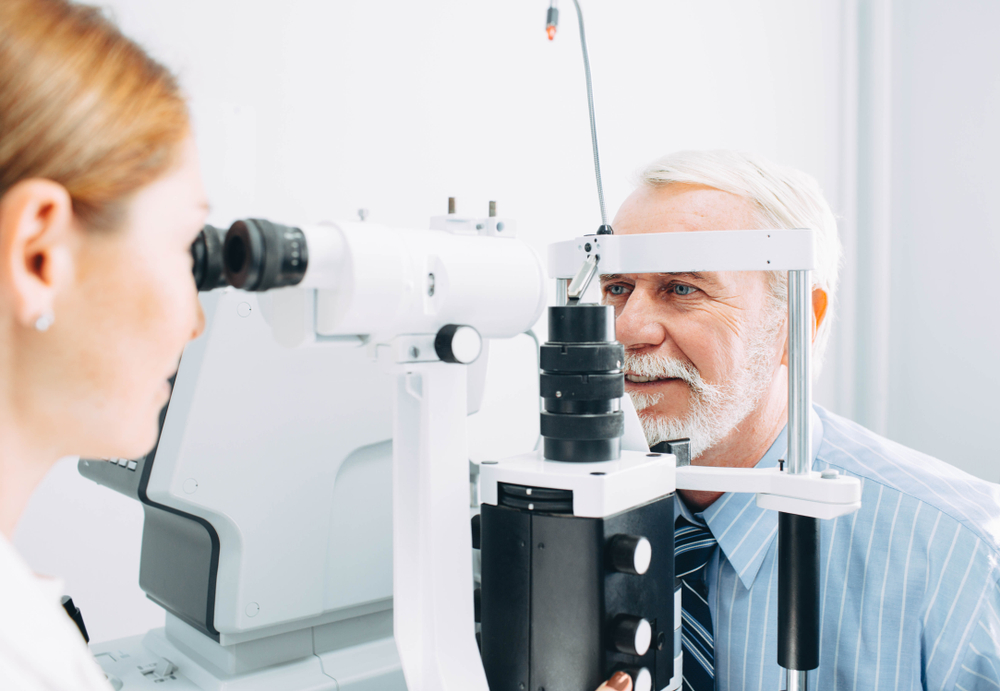
Premium lens implants for cataract surgery offer real solutions for people who want visual freedom and independence. These advanced lenses go beyond basic cataract treatment to address multiple vision problems at once. From multifocal lenses that reduce glasses dependence to toric lenses that correct astigmatism, your options for better vision have never been more promising.
The decision about which lens to choose is personal and should be based on your unique visual needs, lifestyle, and goals. A comprehensive eye examination and consultation with an experienced ophthalmologist will help you understand which premium lens option offers you the best outcome. Ready to explore your premium lens options?
Schedule a cataract evaluation at Eye Center of Texas in Houston, TX, to discuss the best solution for your vision and lifestyle.
Related Articles



Financing Options Available
Apply today to find a financing option that meets your needs.
Our Locations
-
455 E. Medical Center Blvd., Suite 110, Webster, TX 77598- Medical Office:
- 281-332-1397
-
22215 Cypresswood Dr., Suite 116
Cypress, TX 77433- Medical Office:
- 346-537-0088
- Medical Fax:
- 346-537-0187
-
6565 W. Loop S., Suite 650, Bellaire, TX 77401- Medical Office:
- 713-797-1010
-
Greenhouse Medical Plaza
2051 Greenhouse Road, Suite 110
Houston, TX 77084- Medical Office:
- 346-547-7070
- Medical Fax:
- 281-214-2971
-
4415 Crenshaw Road, Pasadena, TX 77504- Medical Office:
- 281-977-8800
-
15200 S.W. Freeway, Suite 130, Sugar Land, TX 77478- Medical Office:
- 281-277-1010
-
100 Medical Center Blvd., Suite 118
Conroe, TX 77304- Medical Office:
- 936-647-1610
- Medical Fax:
- 936-647-1620
No locations match that search.