Medically Reviewed by: Edward C. Wade, M.D., F.A.C.S.
Why Do Some Doctors Recommend ICL or PRK Over LASIK?


You’ve done your research, talked to friends about their LASIK experiences, and walked into your consultation ready to schedule surgery. Then your eye doctor explains that while LASIK is a great procedure, EVO ICL or PRK might actually be better for your eyes. This happens more often than you might think, and there’s a good reason why.
Vision correction isn’t one-size-fits-all. Each eye has unique characteristics that influence which procedure will give you the safest, clearest results. Your corneal thickness, prescription strength, lifestyle habits, and eye anatomy all factor into this decision.
Keep reading to learn when ophthalmologists suggest these LASIK alternatives and how each procedure addresses specific vision needs.
What Are LASIK’s Limitations?
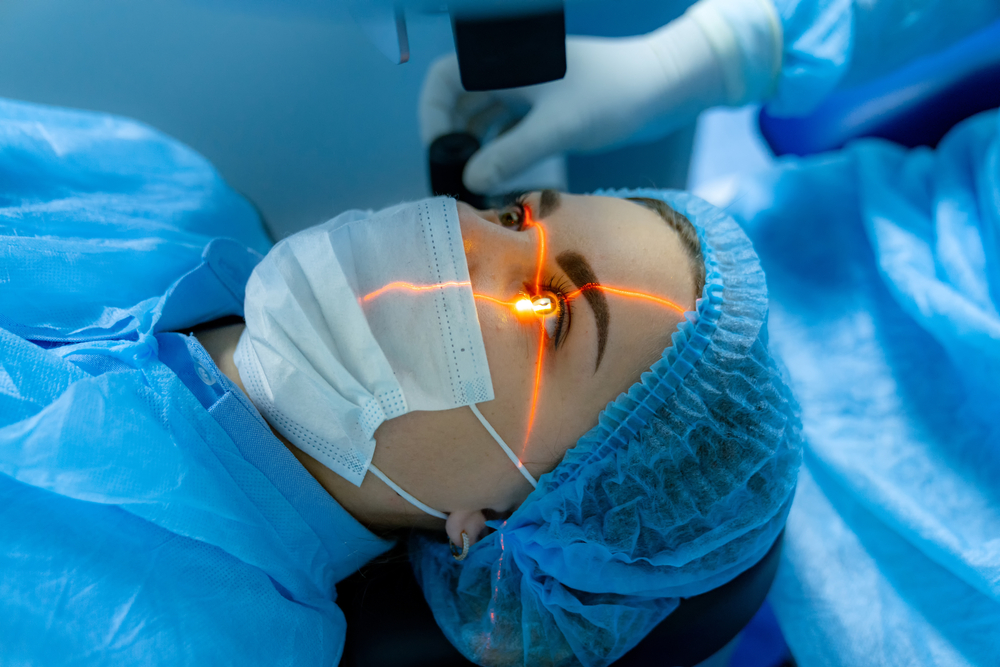
LASIK works by creating a thin flap in your cornea, then using a laser to reshape the tissue underneath. The flap is then returned to its original position to heal.
LASIK has helped millions achieve clearer vision, but it requires certain conditions to work safely.
Your cornea needs to be thick enough to allow both flap creation and tissue removal without compromising its structural integrity. The procedure works best for mild to moderate prescriptions, and people with very thin corneas, extremely high prescriptions, or certain corneal irregularities may face increased risks with LASIK.
This is where PRK and the EVO ICL become valuable options. Rather than being “second choice” procedures, they’re often the smarter first choice for specific situations.
When Ophthalmologists Might Recommend PRK
PRK takes a different approach to vision correction. Instead of creating a flap, the surgeon gently removes the cornea’s outer layer and reshapes the exposed tissue with a laser. A protective contact lens stays on your eye while the surface heals over several days.
Thin Corneas
Corneal thickness matters tremendously in laser vision correction. LASIK requires removing tissue to create a flap plus additional tissue for vision correction. People with naturally thin corneas may not have enough tissue for both steps safely.
PRK eliminates the flap entirely. Since it treats the corneal surface directly, it preserves more of your cornea’s total thickness. This makes it a safer choice when measurements show limited corneal tissue.
Your doctor at Eye Center of Texas uses advanced mapping technology to measure your corneas precisely and determine which approach protects your eye health best.
Active Lifestyles and Contact Sports

Athletes, military personnel, and people in physically demanding jobs face unique considerations. A LASIK flap, while generally stable, can potentially dislodge with significant trauma to the eye. This risk, though small, matters if you regularly face situations involving physical contact or impact.
PRK leaves no flap to worry about. Once healed, the eye’s surface is essentially seamless. Boxers, martial artists, military members, and others in high-impact situations often choose PRK for this added security. The recovery often takes longer than LASIK, but many active individuals find this trade-off worthwhile for long-term peace of mind.
Certain Corneal Irregularities
Some people have subtle variations in their corneal shape or slight surface irregularities. While these don’t necessarily rule out LASIK, they can make PRK a more predictable option. The surface treatment approach sometimes delivers more stable, consistent results in these cases.
Your ophthalmologist will evaluate your complete eye health history to determine which procedure gives you the best chance of reaching your vision goals.
When Ophthalmologists Might Recommend EVO ICL
The EVO ICL (Implantable Collamer Lens) is a completely different vision correction strategy. Rather than reshaping your cornea, a tiny lens gets placed inside your eye, between your natural lens and iris.
High Prescriptions Beyond LASIK Range
LASIK typically handles prescriptions up to -10.00 to -12.00 diopters for nearsightedness, depending on your corneal thickness and other factors. Higher prescriptions require removing more corneal tissue, which can compromise the cornea’s structural integrity or leave insufficient tissue for safe treatment.
The EVO ICL works beautifully for prescriptions up to -16.00 to -20.00 diopters. Because it doesn’t remove any corneal tissue, prescription strength becomes less limiting.
People who were told they’re “too nearsighted” for LASIK often find EVO ICL opens a path to glasses-free vision they thought impossible.
The lens itself is incredibly thin and flexible. Made from Collamer, a biocompatible material, it includes UV protection and typically requires no maintenance once placed. Most patients report they can’t feel the lens at all.
Insufficient Corneal Tissue
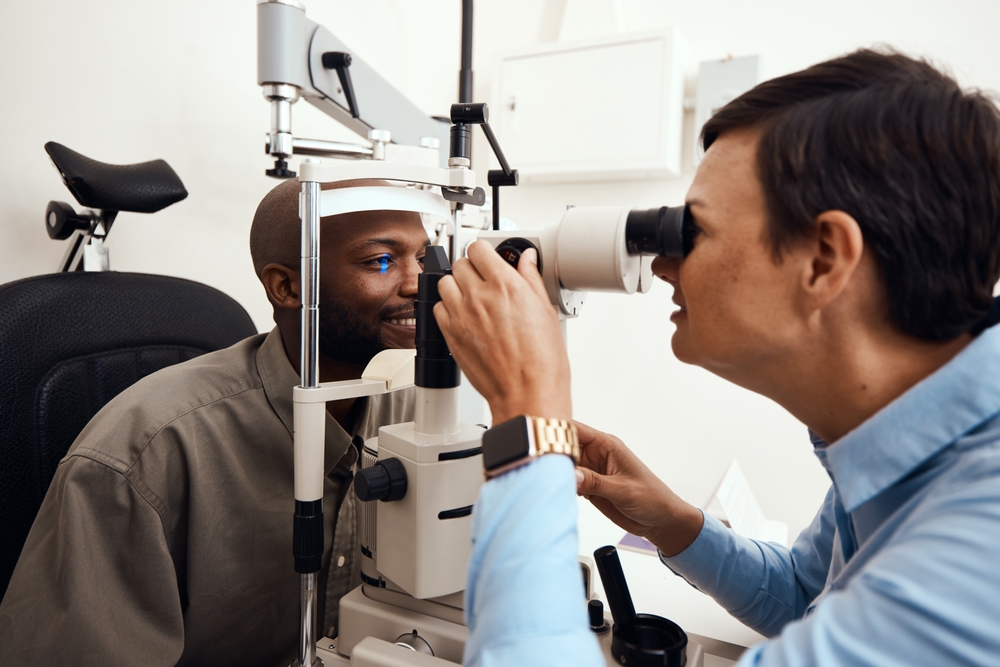
Some eyes simply don’t have enough corneal thickness for any laser procedure. Thin corneas can result from genetics, previous surgeries, or conditions like keratoconus. Removing tissue in these situations could weaken the cornea to a dangerous level.
The EVO ICL preserves your cornea completely. Nothing gets cut, reshaped, or removed.
This reversibility offers another advantage: if your eyes change significantly in the future, or if new vision correction technologies emerge, the lens can be removed. Your eye returns to essentially its pre-procedure state.
Those Who Want a Reversible Option
Some patients prioritize flexibility in their vision correction choice. Unlike LASIK or PRK, which permanently reshape your cornea, the EVO ICL can be removed or replaced if needed. This appeals to people who want vision correction now but appreciate knowing they have options later.
The reversibility doesn’t mean that the EVO ICL is temporary or less effective. Most patients keep their lenses for life with excellent results.
However, knowing the lens can be removed provides peace of mind, especially for younger patients or those concerned about future eye changes.
Finding the Right Procedure for You
The “best” vision correction procedure is the one that matches your eyes’ specific characteristics and your personal needs. LASIK remains an excellent option for many people, but recommending EVO ICL or PRK instead means your doctor identified a path that offers you safer treatment and better long-term results.
Are you ready to discover which vision correction procedure is right for your eyes? Schedule a comprehensive evaluation at Eye Center of Texas in Houston, Texas, today.
Related Articles


Financing Options Available
Apply today to find a financing option that meets your needs.
Our Locations
-
455 E. Medical Center Blvd., Suite 110, Webster, TX 77598- Medical Office:
- 281-332-1397
-
22215 Cypresswood Dr., Suite 116
Cypress, TX 77433- Medical Office:
- 346-537-0088
- Medical Fax:
- 346-537-0187
-
6565 W. Loop S., Suite 650, Bellaire, TX 77401- Medical Office:
- 713-797-1010
-
Greenhouse Medical Plaza
2051 Greenhouse Road, Suite 110
Houston, TX 77084- Medical Office:
- 346-547-7070
- Medical Fax:
- 281-214-2971
-
4415 Crenshaw Road, Pasadena, TX 77504- Medical Office:
- 281-977-8800
-
15200 S.W. Freeway, Suite 130, Sugar Land, TX 77478- Medical Office:
- 281-277-1010
-
100 Medical Center Blvd., Suite 118
Conroe, TX 77304- Medical Office:
- 936-647-1610
- Medical Fax:
- 936-647-1620
No locations match that search.