Houston’s Top Cataract Treatments & Lens Options Explained
Cataracts can be a frustrating problem. Blurry vision can cause difficulty with everyday tasks and make you miss precious moments with friends, family, and grandchildren. But thanks to leading cataract treatments from Eye Center of Texas, you can easily regain the clear vision you expect.
To help you take this exciting step in improving your vision, learn about Houston’s best cataract treatment options from our surgeons who are trusted by more than 300 Houston eye doctors. Here are answers to questions that patients like you have about cataracts and eye problems, cataract treatment, cataract surgeons, and more.


Learn more
Laser Cataract Surgery
Learn more 
Astigmatism Correcting Lens
Learn more
What to Expect
Learn more
Light Adjustable Lens™
Learn more
Choosing the Right Surgeon
Learn more
The Multifocal Intraocular Lens
Learn more
Monofocal Lens
Learn more
Cataract Surgery Cost
Learn more
What are cataracts?
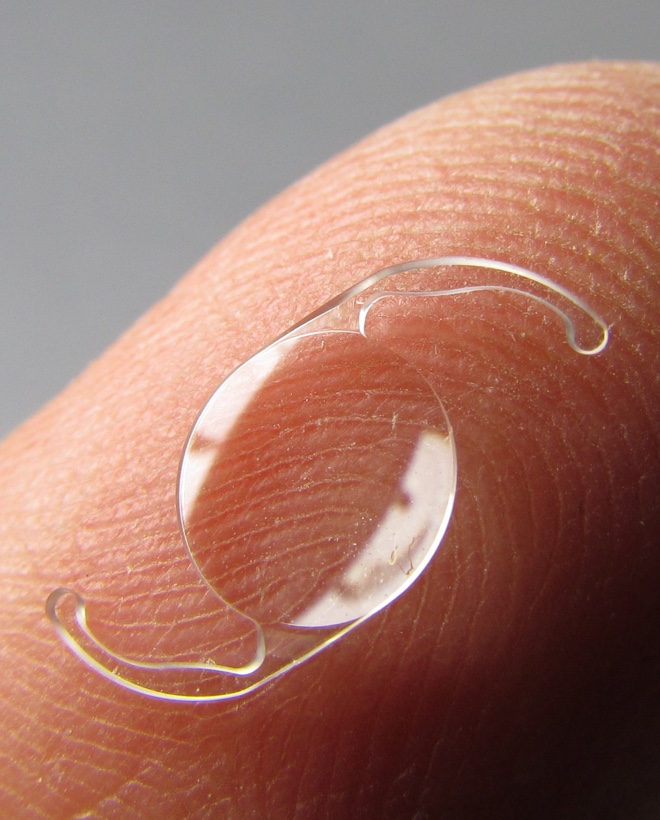
To understand cataracts and how to correct them, it helps to understand the eye first. The eye focuses images through a lens inside the eye — like a camera uses a lens to focus.
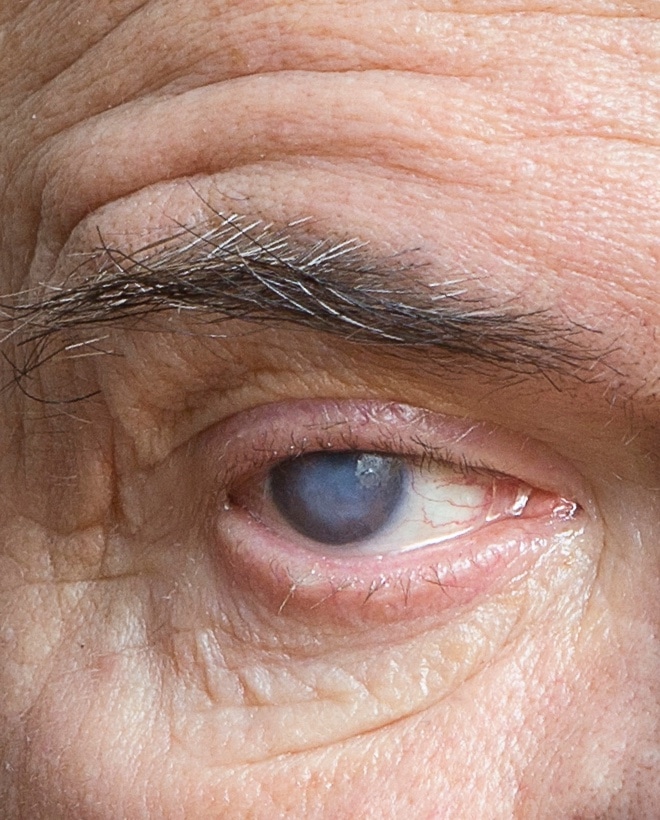
As we age, the lens becomes cloudy and inflexible, causing our vision to blur and increasing our dependence on corrective lenses to refocus from near to far. A cloudy lens is called a cataract.

Across the globe and in Houston, cataracts cause vision problems, making it progressively more difficult to read, drive, or watch TV. If you are over the age of 50, developing cataracts is a regular part of the aging process. Though very uncommon, some individuals develop cataracts as children or young adults.
How do I know if I have a cataract?
The best and quickest answer to this question is that you need an eye examination in Houston. An eye examination will determine whether or not you have cataracts and. If you do have cataracts, the examination will also help determine whether or not your cataracts are causing significant damage to your vision.
Many patients ask us, “How do you get rid of cataracts naturally?” While there’s not a proven natural way to get rid of Houston cataracts, you may not need surgery. If the cataract is mild, then cataract treatment may not be needed. Quite often, an updated pair of eyeglasses will help to optimize your vision.
However, if your vision remains blurred in spite of correctly prescribed glasses, then the next step may be to consider cataract surgery in Houston. Regardless, it’s best to consult your doctor, so you can avoid asking the question, “What will happen if a cataract is left untreated?”
If your doctor recommends surgery for your Houston cataracts, there are two simple decisions to make: what kind of cataract treatment procedure you’d like, and what kind of lenses you’d like to use.
Cataract surgery options
If you choose to improve your vision through cataract surgery, Eye Center of Texas offers you three types of cataract treatments. Your choice will be determined by how dependent you are on glasses before your surgery and how well you can see without glasses after your surgery.
Here are our three options for cataract surgery:
- Basic cataract surgery with a basic fixed-focus lens implant to see clearly with bifocal glasses.
- Laser cataract surgery with the astigmatism correction package to see far away without glasses
- Laser cataract surgery — lifestyle package with an advanced technology lens designed to see near and far without glasses
Bladeless cataract surgery
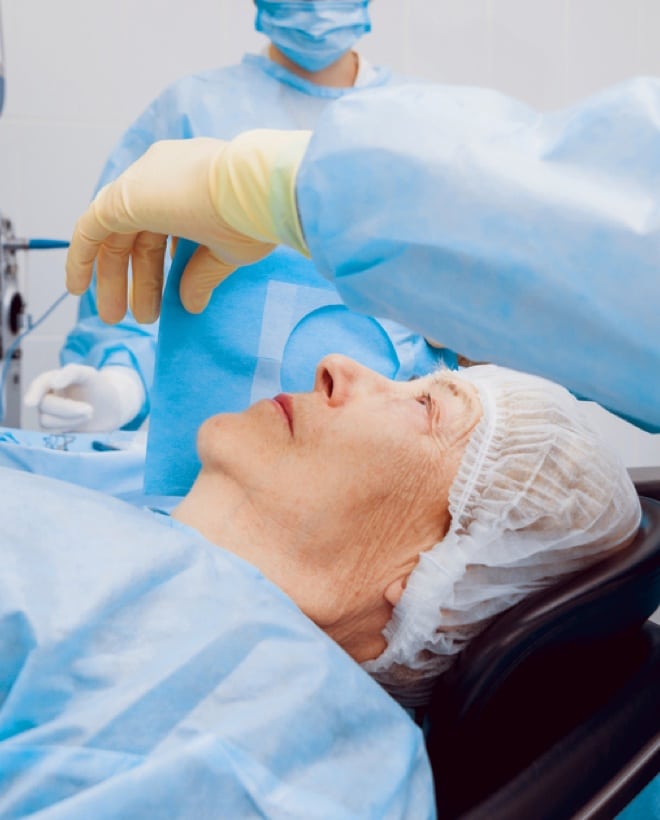
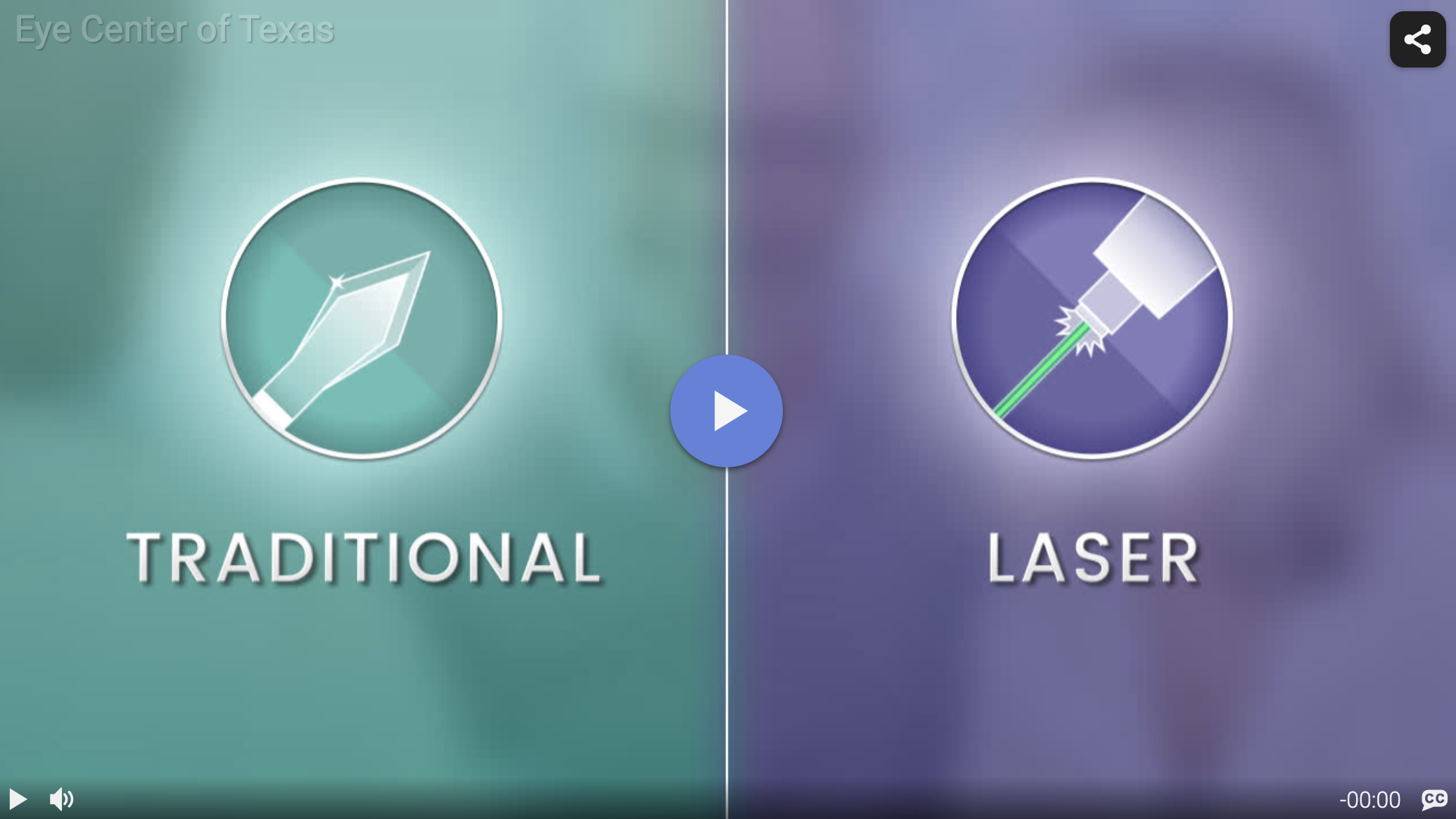
Patients also have the option to choose bladeless cataract surgery. In this procedure, a computer-controlled, bladeless cataract laser performs the most critical steps of the cataract surgery procedure.
Eye Center of Texas was among the first centers to offer this technique. Since then, bladeless cataract surgery in Houston has been one of the most popular choices among our patients.
The LenSx laser is the most technologically advanced option for cataracts patients today. A custom map of your eye is made using the laser which means the cataracts surgery procedure is 100% customized.
Types of lenses
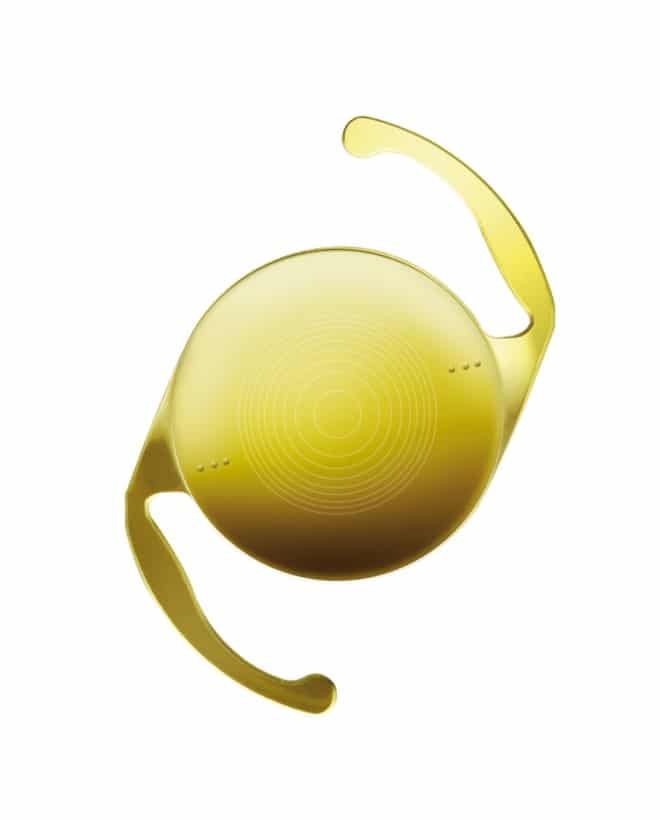
After selecting the operation that is right for you, you’ll have your choice of the kind of lens used to replace your cataract.

Basic Blade Conventional Surgery
- Cataract replaced with implant lens
- See better because cataract has been removed
- Will need glasses and/or contacts for best distance and near vision
Distance Laser – With or Without Toric
- By treating astigmatism, distance vision without glasses is sharper than with conventional implant lens
- Will need to use Computer/Reading glasses
Multifocal Lens Implant
- Trifocal implant
- Also treats astigmatism
- In most cases, there is no need for glasses. Gives distance/computer/reading
- Might have mild halos/glare
Extended Depth of Focus
- Gives Distance/Computer/Dashboard
- Need Readers
- Minimal to no halos
- Also treats astigmatism
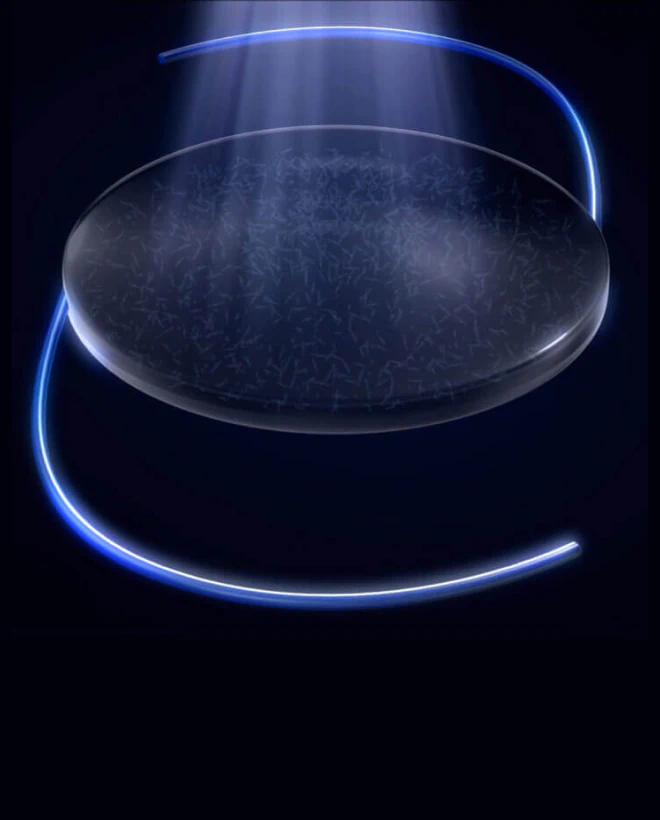
Light Adjustable Lens™
- Is the only option that allows fine tuning to your specific prescription, AFTER surgery
- Best option for patients with history of LASIK/PRK/RK
- Best option for previous monovision patients
- Lowest incidence of night glare of all choices
Our surgeons
Our cataract surgeons have years of experience and use the safest, most advanced cataract surgical techniques and technology, all of which allows us to personalize a procedure that will be just right for your eyes.
Knowing how to choose a cataract surgeon is important, and a great way to start is to check their experience and credentials.
Dr. Yasir Ahmed, M.D., is from Baltimore, MD and graduated with a medical degree from Brown University Alpert Medical School and gained additional experience at the esteemed Penn State and Bascom Palmer Eye Institute. Dr. Ahmed completed his medical internship at Harvard’s Mount Auburn Hospital (2012) and his ophthalmology residency at Penn State (2013).
Dr. Nicholas P. Bell, M.D., is a Board Certified ophthalmologist who specializes in glaucoma treatment and performs both traditional and laser cataract surgery. Dr. Bell has been repeatedly named one of Houston’s Top Doctors by both Houstonia and H Texas magazines. Dr. Bell graduated Cum Laude from Duke University with a major in Biology.
Dr. Grant C. Hopping, As a native Houstonian, he served as a High School Biology Teacher in Houston’s Fifth Ward before earning his Doctor of Medicine degree at the McGovern Medical School at UTHealth in Houston. His postgraduate training consisted of an Integrated Internship at Mount Sinai Beth Israel Hospital and an Ophthalmology Residency at the prestigious New York Eye & Ear Infirmary of Mount Sinai in New York City.
Dr. Samuel Long, M.D., Dr. Long earned his medical degree and completed his residency in ophthalmology at the University of Kansas School of Medicine. He pursued a transitional residency internship at Tucson Hospitals Medical Education Program in Arizona.
Dr. Mark Mayo, M.D., is a native Houstonian. He grew up in Spring Branch and is a graduate of Stratford High School. He attended the University of Texas at Austin where he was accepted into the Plan II Interdisciplinary Honors Programs.
Dr. Edward Wade, M.D., F.A.C.S., a native of El Paso, Texas, graduated Summa Cum Laude from the University of Illinois and was awarded the Bronze Tablet Award, a distinction given to only the top 2 percent of the class.
Cataract surgery in Houston: what our patients are saying
A surgeon’s reputation is an important factor when you’re choosing your next cataract surgeon. We encourage you to read through the reviews and testimonials of our satisfied Houston cataract patients.
Having our patients see success is the most rewarding part of our work. For you, clear and vibrant vision could be closer than you think.
Cost of cataract surgery in Houston
For cataract surgery in Houston, cost should never be a barrier to getting rid of cataracts. Many patients find that Medicare and if applicable, private insurance often help with much of the cost.
Here are more details about cataract surgery cost. We encourage you to speak with our doctors and staff to find the best game plan for you.
Experience you can trust
At Eye Center of Texas, we have years of experience and offer the safest, most advanced cataract surgical techniques and technology.
Contact us today at 713-797-1010 or schedule an appointment online for the best cataract surgery Houston has to offer.
Other Popular Treatments at Eye Center of Texas
- Refractive Lens Exchange for Near Vision
- Houston LASIK
- Houston Visian ICL Eye Surgery
- PRK Eye Surgery
- Retina Specialist in Houston
Financing Options Available
Apply today to find a financing option that meets your needs.
Our Locations
Houston/Bellaire
6565 W. Loop S., Suite 650Bellaire, TX 77401
Medical Office:
713-797-1010
Medical Fax:
713-357-7276
LASIK/Near Vision:
Office: 713-395-1515
Fax: 713-357-7278
Pasadena
4415 Crenshaw RoadPasadena, TX 77504
Medical Office:
281-977-8800
Medical Fax:
281-977-8877
Sugar Land
15200 S.W. Freeway, Suite 130Sugar Land, TX 77478
Medical Office:
281-277-1010
Medical Fax:
281-277-4504
Clear Lake
455 E. Medical Center Blvd., Suite 110Webster, TX 77598
Medical Office:
281-332-1397
Medical Fax:
281-282-9152
Katy
Greenhouse Medical Plaza2051 Greenhouse Road, Suite 110
Houston, TX 77084
Medical Office:
346-547-7070
Medical Fax:
281-214-2971
The Woodlands/Conroe
100 Medical Center Blvd., Suite 118Conroe, TX 77304
Medical Office:
936-647-1610
Medical Fax:
936-647-1620
Cypress
22215 Cypresswood Dr., Suite 116Cypress, TX 77433
Main Phone:
(346) 537-0088
Fax Line:
(346) 537-0187