Medically Reviewed by: Mark L. Mayo, M.D.
The 6 Most Overlooked Early Warning Signs of Cataracts


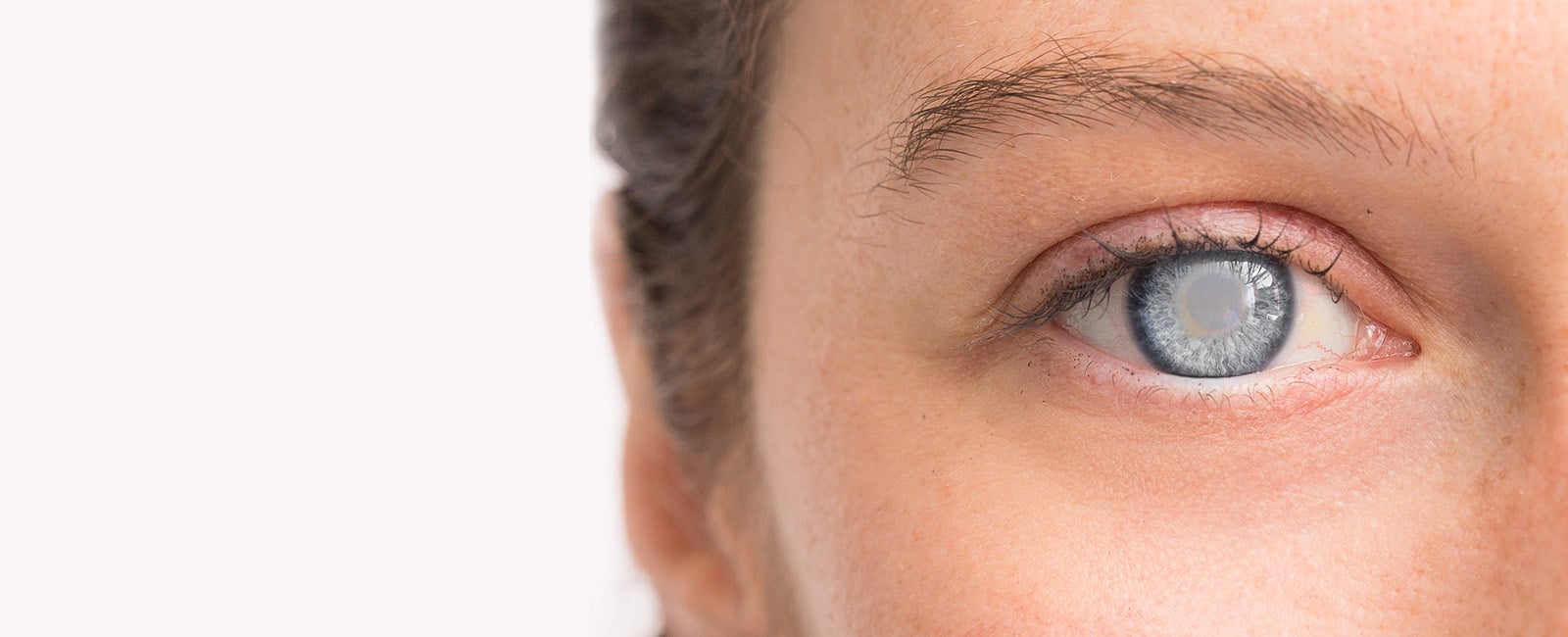
When most people think of cataracts, they picture a thick, milky film covering the eye. That image represents an advanced stage of the condition. In reality, the early warning signs of cataracts are far more subtle, and they often go unnoticed for years. Because they develop so gradually, many people chalk up their changing vision to aging or assume they just need a new pair of glasses.
Keep reading to learn the six most overlooked early warning signs of cataracts, so you can be prepared.
Why Cataracts Are So Easy to Miss in the Early Stages

A cataract forms when proteins in the eye’s natural lens begin to break down and clump together. This clouding happens slowly, sometimes over the course of a decade or more, which is one reason it’s so easy to overlook.
Your brain is also remarkably good at adapting to gradual changes. As your vision shifts little by little, you may unconsciously adjust your habits: sitting closer to the TV, turning on more lights, or holding your phone farther away. These adjustments feel minor in the moment, but they can mask a real problem.
Many patients don’t connect these changes to their eye health until a routine exam reveals the early signs of cataracts. By then, the condition may have been progressing for quite some time.
The Early Warning Signs Most People Overlook
The symptoms below are ones that patients frequently brush off, misattribute to stress or fatigue, or simply don’t think to mention at an eye appointment. If any of them sound familiar, it may be worth scheduling a comprehensive eye exam.
1. Needing Brighter Light to Read or Do Close-Up Tasks
One of the earliest and most commonly missed signs is a growing need for extra light. You might find yourself switching on a second lamp to read a book or moving your chair closer to a window to work on a hobby. Tasks that used to feel comfortable in moderate lighting now seem dim or strained.
This happens because the clouding lens filters out more light than it used to. The change is so gradual that most people assume their lighting at home just isn’t great, rather than questioning whether their eyes have changed.
2. Colors That Look Faded or Yellowed
As a cataract develops in the center of the lens (known as a nuclear cataract), it can tint your vision with a yellowish or brownish hue. Colors that once looked vivid may start to appear washed out or dull, almost like looking through a dirty window.
This is one of the hardest symptoms to catch on your own because it affects both eyes gradually. Different types of cataracts affect vision in different ways, causing a variety of symptoms.
Many patients describe being surprised by how vibrant colors appeared after cataract surgery, not realizing how much color perception they had lost.
3. Frequent Changes in Your Glasses or Contact Lens Prescription

If your eye doctor has been updating your prescription more often than usual, cataracts could be the reason. As the lens changes shape and density, it shifts how light focuses on the retina, which alters your prescription.
This is especially worth paying attention to if you are over 40. A prescription that seemed perfect six months ago but now feels slightly off could point to early cataract development rather than a simple refractive change. A comprehensive eye exam can help determine whether cataracts are behind the shift.
4. Increased Glare and Halos Around Lights
Glare sensitivity is a hallmark of early cataracts, though many patients attribute it to tired eyes or aging. You might notice that oncoming headlights feel painfully bright while driving at night, or that overhead lights create a hazy glow that wasn’t there before. Some people also see halos, rings of light that circle around bulbs or streetlights.
These symptoms can be particularly concerning when they affect your ability to drive safely after dark. If nighttime glare has started to change how comfortable you feel behind the wheel, that’s a strong signal to have your eyes evaluated.
The specialists at Eye Center of Texas can help you determine when cataract treatment may be appropriate based on how your symptoms are affecting daily life.
5. A Temporary Improvement in Near Vision (“Second Sight”)
This one catches people off guard. In certain cases, a developing nuclear cataract can actually improve your ability to see things up close for a short period. You might suddenly find you can read a menu without your reading glasses, which feels like a welcome change. Doctors sometimes refer to this as “second sight.” While it sounds like good news, it is actually a sign that the lens is changing in a way that temporarily shifts your focal point. The improvement is short-lived, and as the cataract continues to progress, both near and distance vision will decline.
6. Double Vision in One Eye
Seeing double is a symptom most people associate with neurological conditions, not cataracts. But when a cataract causes uneven clouding across the lens, it can split light entering the eye and create a ghost image or shadow alongside what you’re looking at.
The key detail here is that this type of double vision (called monocular diplopia) affects only one eye at a time. You can test this by covering one eye: if the doubling goes away, the issue is likely within the eye itself rather than a brain-related concern. This lesser-known symptom is one that patients often don’t report, but it’s worth bringing up with your eye doctor.
What to Do If You Recognize These Signs
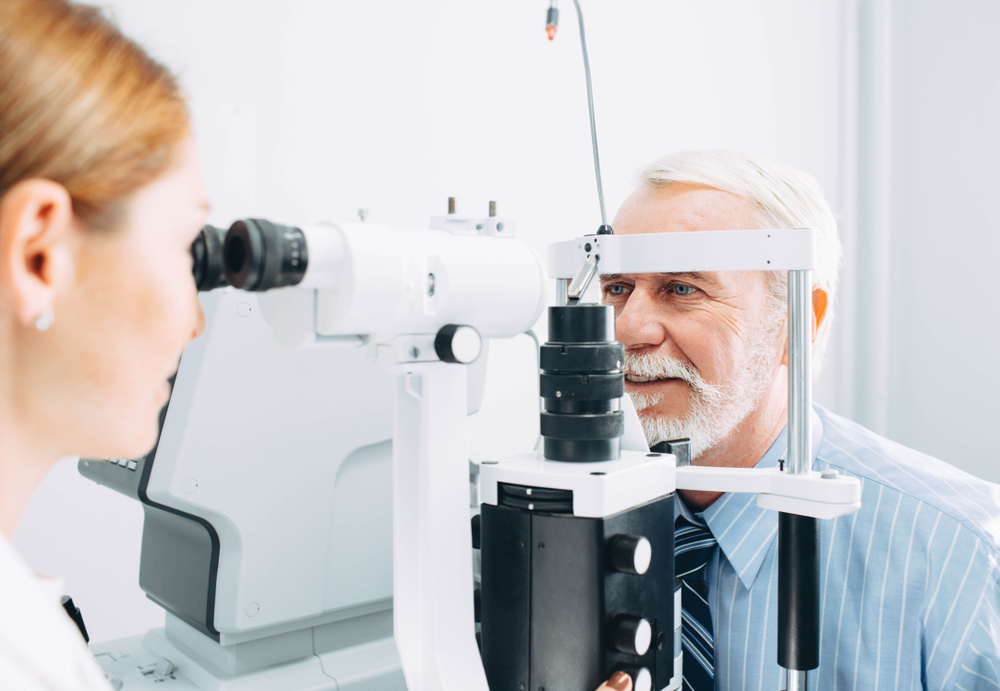
If any of the symptoms above feel familiar, the best next step is a thorough eye exam with a qualified ophthalmologist. A dilated eye exam allows your doctor to look directly at the lens and check for signs of clouding, even in the earliest stages.
At Eye Center of Texas, the experienced team of cataract specialists can evaluate your eyes, talk through your symptoms, and recommend a path forward that fits your needs. If surgery becomes the right option, today’s advanced lens implant choices can correct distance vision, near vision, and even astigmatism during the same procedure.
Recently, Dr. Mark Mayo spoke about a patient who described his cataract surgery as the “best thing” he had ever done, eliminating the need for glasses and reversing blurred, cloudy, or yellowed vision.
Are you experiencing any early signs of cataracts? Schedule an appointment at Eye Center of Texas in Houston, TX, today!
Related Articles



Financing Options Available
Apply today to find a financing option that meets your needs.
Our Locations
-
455 E. Medical Center Blvd., Suite 110, Webster, TX 77598- Medical Office:
- 281-332-1397
-
22215 Cypresswood Dr., Suite 116
Cypress, TX 77433- Medical Office:
- 346-537-0088
- Medical Fax:
- 346-537-0187
-
6565 W. Loop S., Suite 650, Bellaire, TX 77401- Medical Office:
- 713-797-1010
-
Greenhouse Medical Plaza
2051 Greenhouse Road, Suite 110
Houston, TX 77084- Medical Office:
- 346-547-7070
- Medical Fax:
- 281-214-2971
-
4415 Crenshaw Road, Pasadena, TX 77504- Medical Office:
- 281-977-8800
-
15200 S.W. Freeway, Suite 130, Sugar Land, TX 77478- Medical Office:
- 281-277-1010
-
100 Medical Center Blvd., Suite 118
Conroe, TX 77304- Medical Office:
- 936-647-1610
- Medical Fax:
- 936-647-1620
No locations match that search.