Medically Reviewed by:
How To Avoid Developing Cataracts


Aside from your essential organs, your eyes are among your body’s most essential parts. The same way we rely on our eyes to see, our eyes rely on a lens to bend incoming light and form clear images. Over time, however, your lenses can develop cataracts which cause them to cloud and diminish your vision. While there is no 100% proven method of preventing cataracts, taking certain steps now can help to protect your eyes and reduce your risk of developing cataracts later on.
1. Protect Your Eyes from the Sun
Although sunlight is not the direct cause of cataracts, excessive exposure has been shown to increase your risk of developing them. To keep your eyes adequately protected, invest in sunglasses with UV protection, and wear a wide brimmed hat to keep your eyes properly shaded while outdoors.
2. Maintain a Healthy Diet
In addition to being a major risk to your overall health, studies have shown that diabetes can increase your risk of developing cataracts. The first step to avoiding diabetes? A healthy diet. Maintaining a healthy blood sugar level will keep your eyes (and the rest of your body) much healthier as you age.
3. Limit Your Alcohol Consumption
In general, preserving bodily health is an important step to preventing cataracts. Just like a poor diet, excessive alcohol consumption can promote unhealthy blood sugar levels which increase your risk of developing cataracts.
4. If You Smoke, Stop
Need another reason to quit? It’s no secret that smoking is absolutely horrible for your lungs, but did you know that tobacco can also harm your vision? According to recent research, your risk of developing cataracts doubles if you smoke cigarettes.
5. Keep Key Nutrients in Your Diet
Studies have shown that the right balance of certain vitamins, antioxidants and minerals in your diet can seriously reduce your risk of developing cataracts. To make sure you’re maintaining an eye-friendly diet, eat plenty of dark-green leafy vegatables. They contain the antioxidants lutein and zeaxanthin, which studies have linked to an 18% decrease in the likelihood of cataract development. Omega-3 fatty acids found in fish like salmon and sardines can also help you reduce your risk of developing cataracts.
6. Maintain Regular Eye Appointments
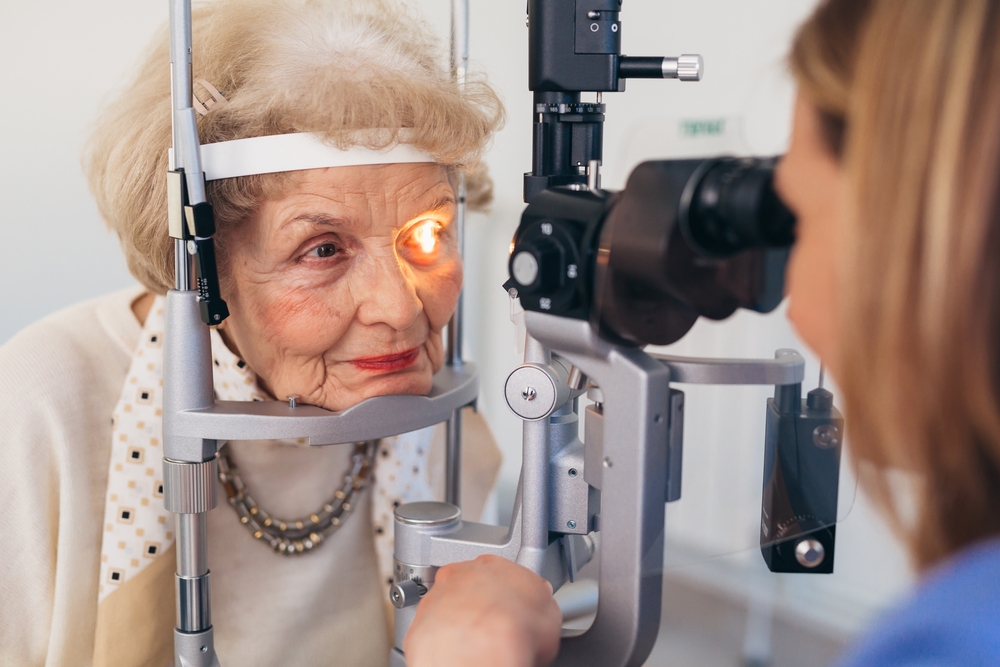
The best way to avoid cataracts is to have your eyes checked regularly. Even if your eyes seem healthy, regular eye exams are the only way to detect early signs of eye disorders such as cataracts, glaucoma, or macular degeneration. After all, early detection can reduce your risk of permanent damage and save your vision!
7. Keep Your Vision Intact at Eye Center of Texas
If you’re experiencing vision issues due to cataracts, Eye Center of Texas is the first step to healthier, longer-lasting vision. Using only the finest technology at each of our six locations, our doctors work to make each experience comfortable, convenient and pain free. Find the location nearest you, and schedule an appointment to get started!
Related Articles



Medically Reviewed by:
What’s the Difference Between Farsighted & Nearsighted?
If you or your loved one are unfamiliar with vision terms and hear the words farsighted or nearsighted, you might wonder what they mean. In fact, many patients ask us, “What is the difference between farsighted and nearsighted?” Both are refractive conditions—they refer to how light is focused in relation to the eye. Below, learn what farsightedness and nearsightedness mean, as well as the differences between the two.
(more…)
Related Articles
Medically Reviewed by:
Symptoms of a Scratched Cornea
The cornea of your eye is one of the most sensitive areas on your body. Even a small abrasion will be extremely painful. Along with the pain, there are other symptoms related to a scratch on the cornea. You may experience redness, light sensitivity, blurry or decreased vision, headaches, eye twitching, and even nausea.
Causes of a Scratched Cornea
How does a cornea become scratched? The ways to scratch your cornea are endless. Any object that comes into contact with your eye has the possibility of damaging or harming it. Makeup brushes, your finger, a tree branch, workplace debris – anything that gets close enough to touch your eye. Most times it isn’t even a traumatic event and you might not even realize it’s happened until the symptoms show up. Even being outside where there is dirt or sand flying through the air can cause a scratch when you attempt to rub it away.
If you suffer from dry eyes, you could risk causing a scratch trying to open your eyes when you wake each morning. When your eye is dry, your lids can tear and dislodge an outer layer portion just from opening them.
Treatment for a Scratched Cornea
Treating a scratch will depend on the severity of your wound. If it is not a serious one, you can treat it with a non-preserved lubricate applied to your eye. Keeping your eye comfortably moist will allow your eye to naturally heal itself. It is sometimes recommended to use an antibiotic eye drop so infection cannot set in.
If the scratch is more serious, it may need an ointment containing an antibiotic to keep on your eye longer. Sometimes a steroid is needed to decrease the inflammation caused by the scratch. The steroid will also relieve your pain and help reduce the chance of permanent scarring.
Preventing a Scratched Cornea
Since you are not always aware you’ve scratched your eye, it is somewhat difficult to prevent it from happening. There are some circumstances, however, that can help ensure the safety of your eyes. Wearing safety glasses or goggles while doing work where particles are likely to fly about is one method.
Contact your eye doctor immediately if you suspect your cornea has been scratched. The best way to ensure your eye health and prevent permanent damage will require a knowledgeable eye doctor’s help.
Related Articles
Medically Reviewed by:
How Long Does Laser Eye Surgery Last?
If you are considering laser eye surgery, you probably have several questions about the procedure. How long does it last? What are the side effects? Will you have to go through the surgery again in the future?
Related Articles
Medically Reviewed by:
Cataract Prevention & Treatment
Your eyes are among the most fragile organs you possess. As such, it becomes important to take extra special care of them. One major eye defect that should be guarded against is the formation of cataracts. Let’s take a closer look at this particular medical condition and see how you can prevent it from destroying your vision.
Related Articles
Medically Reviewed by:
Cataracts Can Happen to Anyone, At Any Age
Cataracts are the leading cause of vision loss for people in their 40s and older, but sometimes cataracts can develop in children or even from birth. Cataracts are cloudy spots on the lens inside the eye. This lens is normally clear, so when it is clouded, it affects vision.
Related Articles
Medically Reviewed by:
LASIK or PRK?
At the Eye Center of Texas, we want to make sure our LASIK and PRK patients can see clearly and have the healthiest eyes possible. This means carefully screening our patients and doing whatever we can to prevent complications.
While wavefront LASIK allows excellent custom laser eye surgery results, there are some cases in which LASIK is a poor option for vision enhancement. With that in mind, let’s consider why corneal thickness is so important.
What Is LASIK Surgery?
LASIK is a refractive surgery procedure that involves the use of lasers to reshape the cornea, which is the topmost central transparent layer of the eye. By reshaping the cornea, the passage of light through the eye is improved. Light will focus on a single point on the retina, which is the light sensitive tissue located at the backs of the eye.
LASIK is ideal for treating the following refractive errors:
- Nearsightedness (myopia)
- Farsightedness (hyperopia)
- Astigmatism
How LASIK Is Performed?
During LASIK surgery, a flap is created in the topmost portion of the cornea, which is known as the epithelium. Once the epithelial flap is lifted, a laser can then reshape the rest of the cornea to improve vision quality. The flap is set down after the laser contouring is completed.
Why Corneal Thickness Matters:
Good candidates for LASIK have corneas that are of regular thickness. Corneal thickness matters since it’s important to have sufficient corneal tissue in place to be reshaped. Thin corneas can make it difficult to create an epithelial flap. A lack of corneal tissue can make the surgery risky. The laser will remove a minute amount of corneal tissue, but if there is not enough corneal tissue in place this can result in keratoconus (an outward bulging of the eye) as well as other serious complications.
Can People with Thin Corneas Undergo LASIK?
In general, LASIK is a bad idea for people who have thin corneas or corneas that are irregularly shaped. This is just a common sense approach to laser vision correction that helps prevent serious complications and other issues.
Alternatives to LASIK for People with Thin Corneas:
If you do have thin corneas, there are other laser vision correction options that work on similar principles. This includes PRK. Rather than create a corneal flap, these surgery will involve removal of the epithelium or the shifting of the epithelium to allow for corneal reshaping.
In terms of results, these LASIK alternatives can each enhance vision in a significant way, with results that are comparable to LASIK. Healing times and overall healing experience may be different from LASIK, but patients should noticed improved vision without the need for corrective prescription lenses.
Discussing Your Treatment Options
During the consultation process, we can assess the thickness of your corneas and determine the ideal treatment option for you and your needs. We will work closely with you each step of the way to ensure you undergo optimal treatment for your vision needs. This includes a full discussion of the risks and benefits of laser eye surgery and why one option may be better for you than another.
Related Articles
Medically Reviewed by:
Planning Your Super Bowl Menu?
Good news! Avocados are a good way to get more lutein in your diet! Lutein has been shown to be concentrated in the macular of the eye, and some research suggests that it may help maintain healthy eyesight as we age! It’s also linked to reducing the risk of cataracts and macular degeneration (AMD), which are common in the elderly. Therefore, eating avocados should have benefits for eye health over the long term. Bottom Line: Avocados are high in antioxidants, including Lutein and Zeaxanthin so party on!
Related Articles
Medically Reviewed by:
Post-Operative Care after LASIK Surgery
Everyone’s eyes are unique. Some people have perfect vision. Others have nearsightedness, farsightedness, astigmatism, or a combination creating less than ideal vision.
Using the surgical procedure, LASIK, a surgeon can correct the corneal tissue to improve eyesight. The end result is freedom from glasses or contacts.
Postoperative Care after LASIK
Postoperative from LASIK surgery is an essential component for optimal results. Always follow the doctor’s guidelines. The procedure allows you to return to normal activities quickly. But you will still need to be careful.
Get Plenty of Rest
One of the best aspects to help aid in the recovery after LASIK surgery is rest. You will experience some sensitivity and minor discomfort. Allowing time to rest and relax will help in speedy the recovery process.
Even when sleeping, use the eye shield or eye goggles as instructed to protect your eyes. Your doctor should always follow up the day after LASIK surgery to view the results.
Don’t Touch
When your eyes are feeling a sense of discomfort, the first response is to rub them. You must avoid rubbing your eyes. The small amount of pressure from rubbing your eyes can result in damage to the sensitive areas.
Keep Water Away from Your Eyes
Avoid taking a shower or bath until the day after surgery. When you decide to wash your hair, use extreme caution to avoid getting soap in your eyes. Stay away from the hot tub, sauna, and swimming pools for at least 2 weeks.
Personal Hygiene
Along with keeping tap water away from your eyes, remember to carefully apply hairspray, face cream, lotions, or after shave. Do not wear any type of makeup for at least a week. You might want to consider replacing your old makeup product to eliminate exposure to bacteria.
Use Sunglasses
Shielding your eyes with sunglasses will help in avoiding discomfort from the bright sun. The bright rays might create scarring, so using sunglasses as protection is vital. Wear the sunglasses for at least a week after LASIK surgery.
Returning to Work
Generally, you will be able to return to work after a couple of days. You will just need to be extremely careful not to put too much strain on your eyes.
Returning to driving is permitted as long as you feel comfortable with your eyesight. But ask your doctor’s permission first and remember to use your sunglasses.
Normal Activities
Getting back to normal activities might take a week. You will want to avoid any type of eye irritations. As you begin to resume your normal routine after a week, you will want to wear goggles to protect your eyes when you sleep.
- Avoid exercising and strenuous activity.
- Stay out of the garden and dusty environments.
- Avoid any type of contact sports for at least a month.
One of the best aspects about choosing LASIK surgery is the ease of the procedure. At any time, if you feel extreme discomfort or pain, contacting your healthcare provider is a must. Complications from corrective eye surgery are rare.
Patients will generally notice an improvement in their vision the next day. Following your doctor’s instructions will allow you to return to normal activities in a quick manner.
Related Articles
Medically Reviewed by:
LASIK Surgery: What You Need to Know
What is LASIK Surgery?
Aside from glasses and contact lenses, LASIK surgery is another option that people can choose to treat vision problems. During the surgery, an ophthalmologist uses an excimer laser to reshape the patient’s cornea.
The treatment is quick and efficient, and patients who have had surgery are usually able to return to work within the next day or two.
Who Can Get LASIK Surgery?
Many common vision-related problems can be solved using LASIK eye surgery. Patients are should be 18 years or older, lead active lifestyles, and are unwilling or unable to wear glasses.
In addition, some medical requirements have to be met on the patient’s side, such as their corneas being fairly thick with strong tear production capacity.
Physicians often offer free consultations, which last for about an hour and a half, during which it is determined whether or not the patient is eligible for surgery.
What does the Actual Process Entail?
LASIK is a form of refractive surgery that reshapes the cornea, so that the light which enters it is able to be properly focused on the retina, resulting in clear vision.
At the beginning of the procedure, a mechanical, high-precision tool is used to create a small flap on the surface of the cornea. After the flap is pulled carefully back, a microscopic amount of tissue is lasered away in order to give the cornea a new shape, which is better able to focus light on the retina.
The process of surgery is pain-free and usually completed within 15 minutes for both eyes. The results of the surgery become evident fairly quickly.
Although patients usually experience blurred and hazy vision immediately after surgery, typically improvement in the patient’s vision becomes evident within 24 hours.
What Are the Advantages That the Procedure Offers?
1. The procedure has been proven to be effective for most common vision problems.
2. Patient experiences very little pain or discomfort during the procedure.
3. Results are evident very quickly, usually within a day or two of the operation.
4. Most patients no longer require eyewear after undergoing surgery.
5. Post-operation care is simple and easily manageable. Patients can get back to their regular lives immediately afterwards, with only minimal restrictions imposed temporarily, such as avoiding strenuous exercise.
What Happens after Surgery?
Treatment does not end with the surgery. The postoperative eye care routine is essential for ensuring that your eyes recover fully after the surgery.
You will need to administer eye drops for your corneas to heal. You will also need to avoid certain activities, such as sports, for some time after surgery, depending on the directions your physician gives you.
What Precautions Do I Need to Take?
- Ensure that your ophthalmologist is board-certified, and has prior experience in performing the surgery.
- Verify that you are eligible for LASIK, and your eyes can handle the strain of undergoing surgery.
- Consult with your physician beforehand about the procedure, since you will be awake for the surgery, and you don’t want to be surprised in the middle of it and disrupt the process.
- Ensure that you take a full round of eye drop medication after the surgery, to help your eyes heal well.
- Don’t blindly jump on the LASIK bandwagon. Ask your physician if there are alternatives that would suit your needs in a better manner.
Related Articles
Financing Options Available
Apply today to find a financing option that meets your needs.
Our Locations
Houston/Bellaire
6565 W. Loop S., Suite 650Bellaire, TX 77401
Medical Office:
713-797-1010
Medical Fax:
713-357-7276
LASIK/Near Vision:
Office: 713-395-1515
Fax: 713-357-7278
Pasadena
4415 Crenshaw RoadPasadena, TX 77504
Medical Office:
281-977-8800
Medical Fax:
281-977-8877
Sugar Land
15200 S.W. Freeway, Suite 130Sugar Land, TX 77478
Medical Office:
281-277-1010
Medical Fax:
281-277-4504
Clear Lake
455 E. Medical Center Blvd., Suite 110Webster, TX 77598
Medical Office:
281-332-1397
Medical Fax:
281-282-9152
Katy
Greenhouse Medical Plaza2051 Greenhouse Road, Suite 110
Houston, TX 77084
Medical Office:
346-547-7070
Medical Fax:
281-214-2971
The Woodlands/Conroe
100 Medical Center Blvd., Suite 118Conroe, TX 77304
Medical Office:
936-647-1610
Medical Fax:
936-647-1620