Medically Reviewed by: Nicholas P. Bell, M.D.
What Are the Early Signs of Glaucoma?


Glaucoma earns its nickname, “the sneak thief of sight,” because the most common form rarely announces itself, so many people live with it for years without knowing. By the time vision changes become obvious, some damage to the optic nerve has already happened, and that damage cannot be undone.
That is what makes the early signs of glaucoma worth understanding, even when they are hard to spot. Knowing what to watch for, which symptoms demand emergency care, and how routine exams catch the disease can protect the sight you have.
What Is Glaucoma?
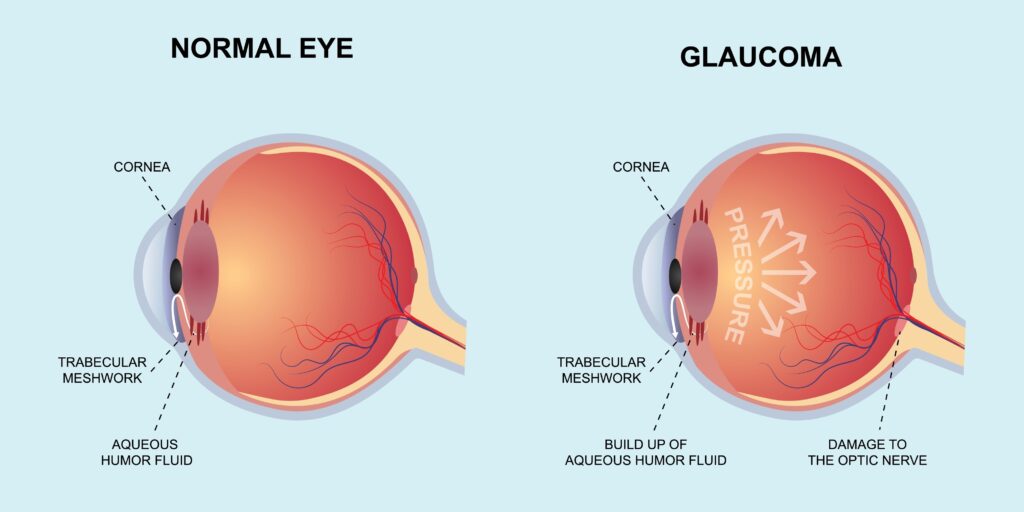
Glaucoma is a group of eye conditions that damage the optic nerve, the bundle of fibers that carries visual information from your eye to your brain. In most cases, the damage comes from elevated pressure inside the eye, called intraocular pressure. When a fluid called aqueous humor cannot drain properly, pressure builds and slowly injures the nerve.
There are a couple of important types to know about. Open-angle glaucoma is by far the most common, and it develops gradually over years. Angle-closure glaucoma is less common but can come on suddenly and demands urgent attention. Some people also develop normal-tension glaucoma, in which the optic nerve is damaged even though eye pressure stays within the typical range.
Glaucoma is one of several eye diseases that can lead to permanent vision loss, and there is no cure once the optic nerve is harmed.
The team at Eye Center of Texas tailors glaucoma treatment to each patient, with the goal of lowering eye pressure to slow or stop further damage.
Why the Early Signs of Glaucoma Are Easy to Miss
Open-angle glaucoma works quietly. It produces no pain, no redness, and no blurry vision in its early stages, so nothing prompts you to seek help. The pressure that damages the optic nerve cannot be felt unless it climbs very high, and even then the warning may be vague.
Vision loss also begins at the edges of your sight rather than the center. Your brain is remarkably good at filling in these gaps, especially when both eyes are open, so you may not notice anything is wrong for a long time. Like cataracts or macular degeneration, which also progress slowly over many years, glaucoma can advance well before a person senses a change.
When symptoms finally do surface, they tend to be subtle. Catching them sooner gives you a better chance of preserving the vision you still have.
Gradual Loss of Peripheral Vision
The first noticeable sign is usually a narrowing of side, or peripheral, vision. People sometimes describe it as looking through a tunnel that slowly tightens over time. You might bump into door frames, miss objects off to the side, or feel less aware of traffic and movement while driving.
Blind Spots in Your Field of Vision
Small blank patches can develop in your field of view, often without you realizing it at first. These blind spots typically begin in the periphery and can grow larger or merge together as the disease progresses. Because each eye covers for the other, you may only notice them when you close one eye.
Trouble Seeing in Low Light
Some people find that their eyes adjust more slowly in dim rooms or struggle with night driving. Reduced contrast sensitivity can make low-light settings feel harder to manage than they used to, and glare from headlights may become more bothersome.
Warning Signs That Need Immediate Attention

Acute angle-closure glaucoma is a medical emergency. It happens when the drainage angle inside the eye becomes suddenly blocked and pressure spikes within hours rather than years.
The symptoms are hard to ignore: severe eye pain, a pounding headache, nausea or vomiting, sudden blurred vision, halos or rainbow rings around lights, and a red eye. Some people feel so unwell that they assume the problem is a migraine or stomach illness rather than their eyes.
If you experience these symptoms, seek help right away at an emergency room or from an eye specialist. Fast treatment can relieve the pressure and prevent rapid, permanent vision loss.
How is Glaucoma Diagnosed?
Because early glaucoma hides so well, testing is the only reliable way to catch it.
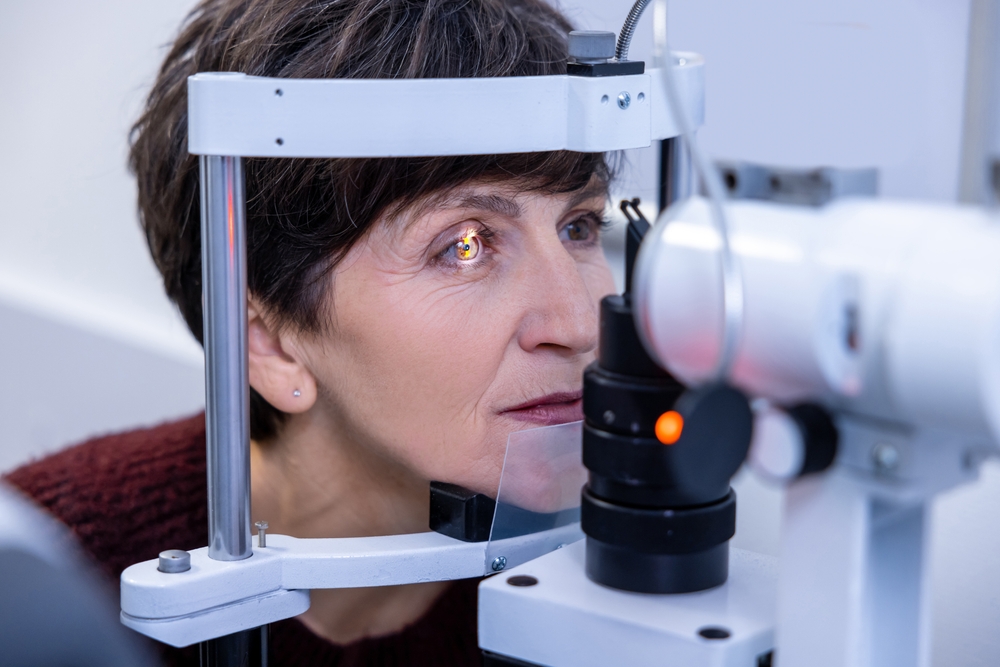
The glaucoma specialists at Eye Center of Texas use a comprehensive eye exam to detect the disease long before you notice any change in your sight. During the exam, your doctor checks several things in a few quick steps. Tonometry measures the pressure inside your eye, and the doctor also examines the optic nerve for signs of damage, usually after dilating the pupil, and may run a visual field test to map any gaps in your peripheral vision. Imaging of the optic nerve can reveal thinning that occurs before vision is affected.
These checks are painless, yet they reveal problems that symptoms alone would never expose. Keeping up with routine annual eye exams is the single most effective habit for catching glaucoma early. That is especially true if you are over 60, have a family history of the disease, live with diabetes, or are of African or Hispanic descent, all of which raise your risk.
Protecting Your Vision Starts With Detection
The early signs of glaucoma are often no signs at all, which is precisely what makes the disease so dangerous and so manageable at the same time. Catching it early through regular exams gives you the best chance of keeping your vision for life.
Eye Center of Texas provides advanced glaucoma care led by experienced ophthalmologists who diagnose, monitor, and treat the disease at every stage. Staying ahead of glaucoma is far easier than trying to reverse its damage.
Dr. Nicholas Bell is widely recognized as one of the best glaucoma doctors in Houston. For patients who suspect they may have glaucoma, Dr. Bell strongly suggests scheduling a comprehensive eye examination immediately. Because glaucoma is often called the “silent thief of sight,” waiting for noticeable symptoms can lead to irreversible vision loss.
Concerned about your risk for glaucoma? Schedule an appointment at Eye Center of Texas in Houston, TX, today!
Related Articles



Financing Options Available
Apply today to find a financing option that meets your needs.
Our Locations
-
455 E. Medical Center Blvd., Suite 110, Webster, TX 77598- Medical Office:
- 281-332-1397
-
22215 Cypresswood Dr., Suite 116
Cypress, TX 77433- Medical Office:
- 346-537-0088
- Medical Fax:
- 346-537-0187
-
6565 W. Loop S., Suite 650, Bellaire, TX 77401- Medical Office:
- 713-797-1010
-
Greenhouse Medical Plaza
2051 Greenhouse Road, Suite 110
Houston, TX 77084- Medical Office:
- 346-547-7070
- Medical Fax:
- 281-214-2971
-
4415 Crenshaw Road, Pasadena, TX 77504- Medical Office:
- 281-977-8800
-
15200 S.W. Freeway, Suite 130, Sugar Land, TX 77478- Medical Office:
- 281-277-1010
-
100 Medical Center Blvd., Suite 118
Conroe, TX 77304- Medical Office:
- 936-647-1610
- Medical Fax:
- 936-647-1620
No locations match that search.