Medically Reviewed by:
Frequently Asked Questions about Cataracts


Many people believe cataracts have to be “ripe” before they can be removed. This is simply not true. Cataract surgery is a routine procedure that can be performed as soon as your vision problems begin to interfere with your life.
What happens if cataracts go untreated?
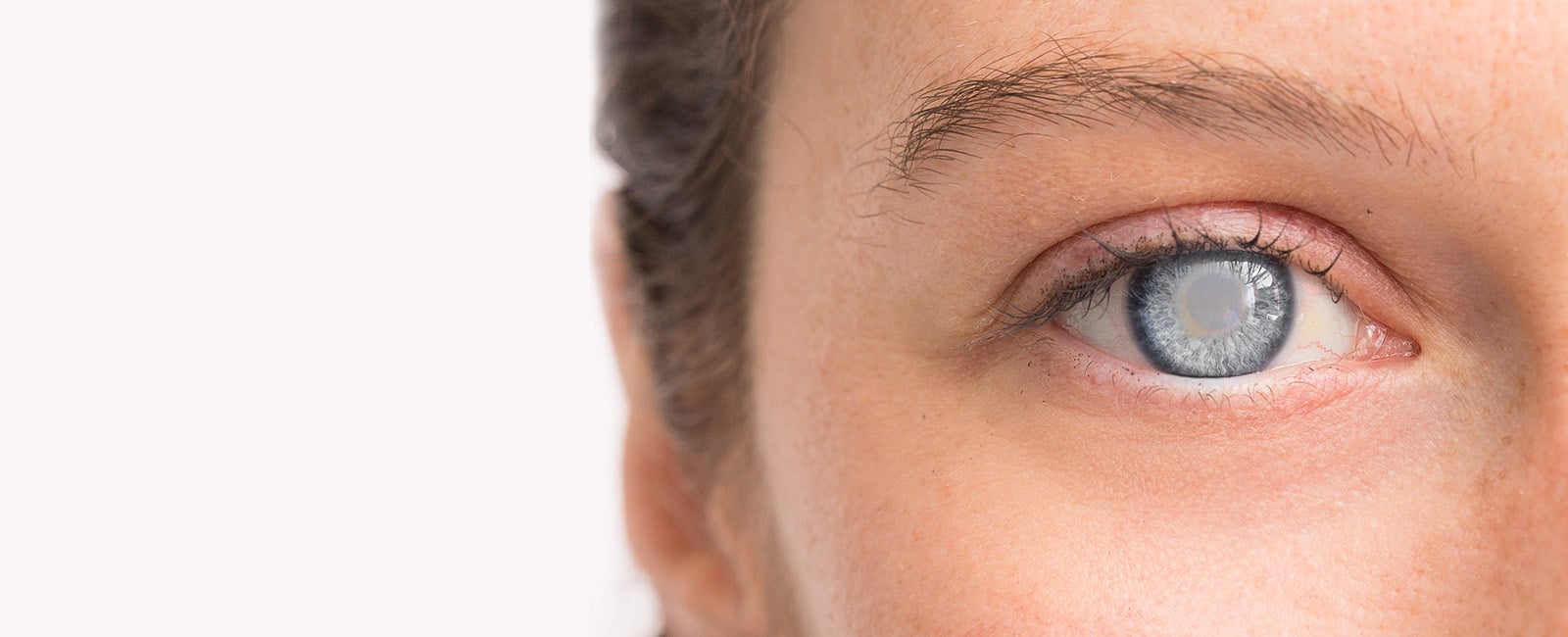
Over time, the clouded areas of your lens can become larger and denser, causing your sight to become worse. This can take anywhere from a few months to many years. Eventually, though, your entire lens can cloud over and cause blindness.
Which lens will work best for me?
No single lens is right for everyone and only your doctor can determine the most appropriate option for you.
Do all lenses let you see at different distances?
No, only lenses with multiple focal points are designed to give you full range of clear vision. For instance, the AcrySof IQ ReSTOR IOL is designed to perform near, far and everything in between, so you can experience crisp vision for the most important things in your life, like reading, driving and outdoor activities.
Will they treat both eyes at the same time?
No, your surgeon will only treat one eye per procedure, allowing your eye adequate time to recover and stabilize before treating the other.
Related Articles



Medically Reviewed by:
Cataract Surgery Can Be Life Changing
A cataract is a clouding of the natural lens, the part of the eye responsible for focusing light on the retina and producing clear, sharp images. Old cells in the lens die and become trapped in the sealed lens capsule, accumulating until light passing through the lens scatters, resulting in a blurry or fuzzy image. Contrast sensitivity is reduced, as if you were always trying to see in dim light.
In the past people waited until their cataract was fully “ripe” and nearly blinding before having it removed, the current recommendation is to have the surgery as soon as a cataract interferes with normal activities, including driving, watching television, climbing stairs, playing tennis, cooking and reading. In fact, the more advanced a cataract becomes, the more difficult the surgery.
The surgery to remove the cataract involves a very small self-healing incision in the cornea — less than one- eighth of an inch, or 3 millimeters, and no stitches needed — through which a tiny probe is inserted that transmits ultrasound waves to break up the cataract. The emulsified lens is then suctioned out through the probe.
The clouded lens that is removed is replaced with an individually fitted artificial lens that can result in near-perfect visual acuity — the ability to see distance. Or for those who prefer a correction of near vision for reading, an artificial lens can do that instead. For some people, even a multifocal lens can now be fitted, to improve both near and far vision.
If you or someone you know has a cataract or is need of cataract surgery and lens implants please feel free schedule a cataract evaluation at Eye Center of Texas by calling 713-797-1010.
Cataract surgery…is nothing short of amazing.
Related Articles
Medically Reviewed by:
Blade-free LASIK Surgery Houston
Blade-free LASIK Surgery Houston
Better visions can be a critical factor for doing work tasks, driving, engaging in hobbies and simple enjoyment of everyday life. LASIK is an eye surgery procedure that has allowed millions of people to achieve better vision without glasses or contact lenses to accomplish these goals.
The new technique known as “blade-free” LASIK surgery uses a high-energy laser to make the incision on the eye to allow the correction process. This type of surgery offers a number of benefits for patients.
The LASIK Procedure
LASIK vision correction is done in two steps. First, a flap is created on the cornea of the eye. This is generally a painless procedure that only takes a short time. Second, the cornea is shaped to provide better vision for the patient. The procedure is generally easy and painless, with few complications.
The Improved “Bladeless” Technique
New technology now allows surgeons to use high-energy lasers to make the initial flap incision that allows vision correction of the eye. Previously, eye surgeons used a small blade called a “microkeratome” to create the flap on the eye. A blade-free laser technique was approved in 2007 to produce the same result with improved results.
Although the blade technique is still used for certain patients, physicians find that blade-free laser surgery offers superior results with greater comfort for the patient. For blade-free LASIK surgery, Houston residents can rely on the experienced physicians and skilled staff at the Eye Center of Texas for accurate and easy vision correction.
Benefits of Blade-Free LASIK Surgery
Blade-free LASIK surgery is preferred by many surgeons because of the additional benefits to patients:
- A more uniform thickness of the flap that is created, leading to fewer complications
- Faster recovery times
- Better vision acuity
Recovering From Bladeless LASIK Surgery
Most patients find that they are able to see normally after 24 to 48 hours after surgery. Before that time, you will be asked to use eye drops to prevent infection and to keep your eyes moist. The drops may cause a slight burning in the eye, and your vision may blur slightly after using them.
After the initial recovery period, your eyes may be sensitive to light for a few days after the surgery. Use sunglasses to help alleviate this problem. Within a few days, patients generally see an improvement in vision and can resume their normal activities.
Experienced Surgeons For Superior Results
The physicians at Eye Center of Texas have performed thousands of blade-free LASIK procedures that have resulted in improved vision, eliminating the need for glasses or contact lenses. The skilled and knowledgeable staff at the center will ensure that you are comfortable throughout the procedure and will provide full instructions for aftercare.
For more information on blade-free LASIK surgery, Houston patients can contact the Eye Center of Texas for further information on this procedure.
Related Articles
Medically Reviewed by:
How Much Should You Pay for LASIK?
The cost of LASIK vision correction varies among practices, based on the surgeon’s experience and what the center includes in the fee. You may hear radio ads that claim “LASIK starting as low as $499 an eye”, but in most cases this is a bait and switch center and be aware that you will probably pay a lot more than the advertised $499. and often the total cost of the procedure will be similar to costs for quality surgeons who don’t advertise too-good-to-be-true fees.
We are not the least expensive LASIK practice in Houston because we never sacrifice safety to save you money and our price includes a “limited lifetime warranty” (at no additional cost). We have invested heavily in advanced laser technology and our diagnostic technology is second to none. This investment is extremely important to our patient’s results. Dr. Mark L. Mayo and Dr. Edward C. Wade excellent LASIK surgeons and combined have performed over 60,000 successful LASIK procedures. If you’re thinking about LASIK…give us a call. 713-797-1010
Related Articles
Medically Reviewed by:
Happy JulEYE – Dry Eye Awareness Month
Dry Eye signs and symptoms, which usually affect both eyes, may include:
- A stinging, burning or scratchy sensation in your eyes
- Stringy mucus in or around your eyes
- Increased eye irritation from smoke or wind
- Eye fatigue
- Sensitivity to light
- Eye redness
- A sensation of having something in your eyes
- Difficulty wearing contact lenses
- Periods of excessive tearing
- Blurred vision, often worsening at the end of the day or after focusing for a prolonged period.
- Poor tear quality
- Decreased tear production
- Older than 50
- Postmenopausal women
- Eyelid problems (Blinking spreads a continuous thin film of tears across the surface of your eyes. If you have an eyelid problem that makes it difficult to blink, tears may not be spread across your eye adequately or your tears may evaporate too quickly, causing dry eyes).
- Medications
- Medical Conditions (such as diabetes, rheumatoid arthritis, lupus, scleroderma and thyroid disorders).
- LASIK surgery
- Wind
- Dry air
- Tasks that require enough concentration that you blink less often, such as working at a computer, driving or reading.
Tests used to determine the cause of your dry eyes may include:
- A comprehensive eye exam. An eye exam that includes a complete history of your overall health and your eye health can help your doctor diagnose the cause of your dry eyes.
- Measuring the volume of your tears. Your doctor may measure your tear production. In this test, blotting strips of paper are placed under your lower eyelids. After five minutes your doctor measures the amount of strip soaked by your tears.
- Determining the quality of your tears. Other tests use special dyes in eye drops to determine the surface condition of your eyes. Your doctor looks for staining patterns on the corneas and measures how long it takes before your tears evaporate.
Because doctor appointments can be brief, and because there’s often a lot of ground to cover, it’s a good idea to be well prepared for your appointment.
- Write down any symptoms you’re experiencing, including any that may seem unrelated to the reason for which you scheduled the appointment.
- Write down key personal information, including any recent life changes.
- Make a list of all medications, vitamins or supplements that you’re taking.
What you can do in the meantime:
*To relieve your signs and symptoms while you wait for your appointment, try over-the-counter eye drops. Look for lubricating eye drops and avoid those that reduce redness in the eyes. Eye drops that reduce eye redness can cause additional eye irritation.
Related Articles
Medically Reviewed by:
Laser Cataract Surgery
Cataract surgery has undergone a revolutionary advance – shifting from a manual technique to an ultramodern femtosecond laser procedure which can treat even the hardest of cataracts in minutes. Not since the “no-stitch” cataract procedure has the ophthalmology profession experienced such a seismic shift in eye surgery; and it’s now in Houston. On July 20 2012, Dr Mark Mayo and Dr. Edward Wade earned the distinction of being among the first to perform the LensSx Laser Cataract procedure in the United States. With the introduction of the FDA approved LenSx Laser, the eye surgeons at Eye Center of Texas now have the ability to provide patients with computer-controlled precision as it automates some of the most challenging steps of refractive cataract surgery. The laser replaces the traditional hand-held blade to optimize all incisions for enhanced, reproducible surgical performance. The breakthrough technology provides the surgeon with real-time three dimensional visualization for true customization of your lens replacement procedure.
Recent results show that the LenSx Laser is up to 10x more precise than manual techniques for some portions of the cataract surgical procedure and improves the safety and accuracy of your cataract surgery.
The good news is that you are experiencing cataracts at a time in the evolution of cataract surgery when technological advances are making the procedure better with laser cataract surgery. Eye Center of Texas offers a range of treatment options to suit your vision goals. Your eyes are unique. Based on the distinctive anatomy of your eyes, we will work with you to help you achieve your “personal best” vision. While no two patients are the same, our doctors will evaluate your eyes to determine if you are a candidate for Laser Cataract Surgery, assess your desired vision outcome and help you decide which Intraocular Lens Implant (IOL) will most likely help you achieve your vision goals.
Related Articles
Medically Reviewed by:
How Are Cataracts Treated?
When a cataract progresses and decreases vision to a point that it interferes with your lifestyle and daily activities…cataract surgery is the only effective treatment. Cataracts affect more than 22 million people over 40 years of age in the U.S. and are the leading cause of blindness among the country’s older adults. Cataract surgery can offer improved vision, and is one of the safest and most effective procedures performed today. If you are experiencing any of the following symptoms, it could be an indication it’s time to consider cataract surgery:
- When driving, there’s too much glare from the sun or headlights
- You are having problems seeing well enough to read, sew, watch tv or play games
- You are afraid of bumping into objects or falling down
- Your vision doesn’t improve sufficiently when wearing glasses
ECT’s cataract surgeons, Dr. Mark Mayo and Dr. Edward Wade will perform on one eye at a time. This is done to minimize potential complications. Cataract surgery is performed in an outpatient surgical center with local anesthesia. Cataract surgery is day surgery and patients are released directly after surgery.
Eye Center of Texas offers the latest in advanced lifestyle lens implants and specialize in bladeless cataract surgery. We aim to achieve the best for every patient by working with a team of experienced doctors that will carefully analyze your eye health and visual needs.
Related Articles
Medically Reviewed by:
What is a Cataract Evaluation?
Have you ever wondered how the doctors determine if you have a cataract? At Eye Center of Texas cataracts are detected through a comprehensive cataract evaluation eye exam that may include the following tests:
- Visual Acuity: A visual acuity test measures your quality of vision at certain distances. Your doctor will ask you to read letters of various sizes from a chart. Your eyes will be tested individually and together to measure the accuracy of your eyesight at different distances. A visual acuity test is an easy, painless, and quick way to diagnosis cataracts, although more tests will be needed to make sure cataracts are the cause of your vision problems.
- Contrast Sensitivity: Contrast sensitivity testing is similar to visual acuity testing but places greater emphasis on how cataracts can decrease image contrast due to light scattering and glare caused by the cataract. Eye doctors consider contrast sensitivity testing to be a more realistic measurement of true quality of vision.
- Slit Lamp: A slit lamp is a special type of microscope that magnifies your eye so your doctor can examine the lens to determine the presence and severity of a cataract. Your doctor will ask you to place your chin on the chin rest of the slit lamp. A light will then be directed at your eye. By looking through the slit lamp, your doctor can examine the lens to determine the degree to which it is clouded.
- Pupil Dilation: Pupil dilation is a common test used in diagnosing cataracts. Clouding of the lens is not noticeable until a cataract reaches an advanced stage. When your eye is dilated, however, the pupil increases in size, offering a view of your entire lens. By thoroughly examining the lens, a doctor can determine whether or not a cataract is affecting your quality of vision.
Additional tests may be needed and cataract evaluations take between 3-4 hours.
Related Articles
Medically Reviewed by:
Wearing Sunglasses After LASIK
After LASIK surgery, most patients find that their eyes are more sensitive to light than before. If you experience any light sensitivity after your LASIK surgery buy a good pair of dark sunglasses that offer 100% UVA/UVB protection.
Corneal haze (a hazy or foggy view) is a possible side effect of LASIK and it is believed that exposure to UV light is the main reason, so if you’re debating whether you should wear sunglasses after LASIK, debate no more; and it doesn’t make a difference whether it’s summer or winter either, light can affect your eyes regardless of the season.
Bottom line….after LASIK surgery plan on investing in some good quality sunglasses and enjoy your new view of the world!
Related Articles
Medically Reviewed by:
Don’t Forget To Change your Drivers License after LASIK
Following LASIK patients no longer require glasses or contact lenses for driving. If you have a restriction on your driver’s license that requires the wearing of glasses or contact lenses you must return to the Department of Public Safety and retake the DPS vision test to have the restriction removed off your drivers license. A letter from the surgeon or the post-op optometrist is not sufficient and will not prevent a patient from receiving a ticket.
Related Articles
Financing Options Available
Apply today to find a financing option that meets your needs.
Our Locations
-
455 E. Medical Center Blvd., Suite 110, Webster, TX 77598- Medical Office:
- 281-332-1397
-
22215 Cypresswood Dr., Suite 116
Cypress, TX 77433- Medical Office:
- 346-537-0088
- Medical Fax:
- 346-537-0187
-
6565 W. Loop S., Suite 650, Bellaire, TX 77401- Medical Office:
- 713-797-1010
-
Greenhouse Medical Plaza
2051 Greenhouse Road, Suite 110
Houston, TX 77084- Medical Office:
- 346-547-7070
- Medical Fax:
- 281-214-2971
-
4415 Crenshaw Road, Pasadena, TX 77504- Medical Office:
- 281-977-8800
-
15200 S.W. Freeway, Suite 130, Sugar Land, TX 77478- Medical Office:
- 281-277-1010
-
100 Medical Center Blvd., Suite 118
Conroe, TX 77304- Medical Office:
- 936-647-1610
- Medical Fax:
- 936-647-1620
No locations match that search.