Medically Reviewed by: Edward C. Wade, M.D., F.A.C.S.
What To Do if You Have a Bump on Your Eyelid That is Not a Stye


Eye Center of Texas provides specialized diagnosis and treatment for styes, chalazia, and other eyelid bumps at our offices in Houston and Sugar Land. Our board-certified ophthalmologists evaluate stubborn or painful lid bumps, identify the underlying cause, and recommend targeted treatment that resolves symptoms and helps prevent recurrence. If a tender red bump along your eyelid is interfering with daily life, expert care is available close to home.
What Is a Stye?
A stye, medically known as a hordeolum, is a localized infection of an oil gland or eyelash follicle along the eyelid margin. Most styes are caused by bacteria and are characterized by a tender, red, pimple-like bump that develops over a day or two.
Styes can be external or internal. External styes form at the base of an eyelash. Internal styes develop deeper inside the lid when a meibomian (oil) gland becomes infected, and they often cause more diffuse swelling and discomfort.
What are Common Stye Symptoms?
Stye symptoms develop quickly and can range from mild to severe. The most common signs include:
- Tenderness, redness, or itching along the lash line
- Visible swelling of the eyelid
- A small white or yellow head at the center of the bump
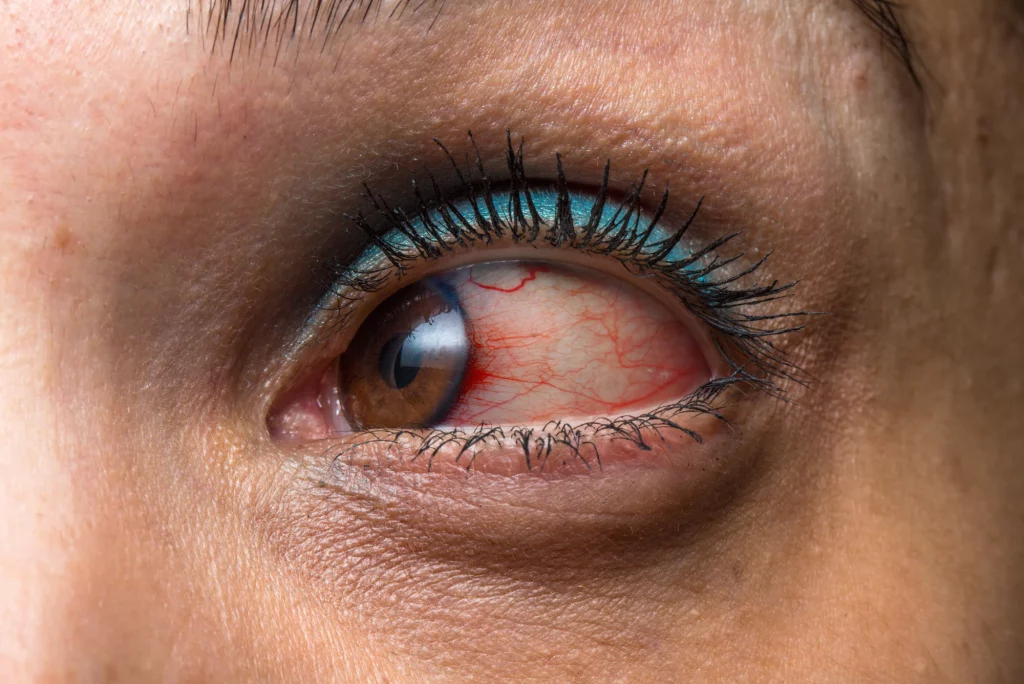
- Watery eyes or a gritty sensation
- Light sensitivity
- Crusting along the lid margin
- A feeling that something is stuck under the eyelid
Vision is typically unaffected. If swelling extends beyond the eyelid, vision becomes blurry, or pain worsens significantly, it’s important to see your eye doctor right away, as these may indicate a more serious infection that requires immediate care.
Identifying Different Types of Eyelid Bumps
Not every bump on the eyelid is a stye. The specialists at Eye Center of Texas evaluate and treat the full range of eyelid lesions, including:
Styes (hordeola): acute bacterial infections of the lash line or oil gland
Chalazia: firm, painless bumps caused by blocked oil glands
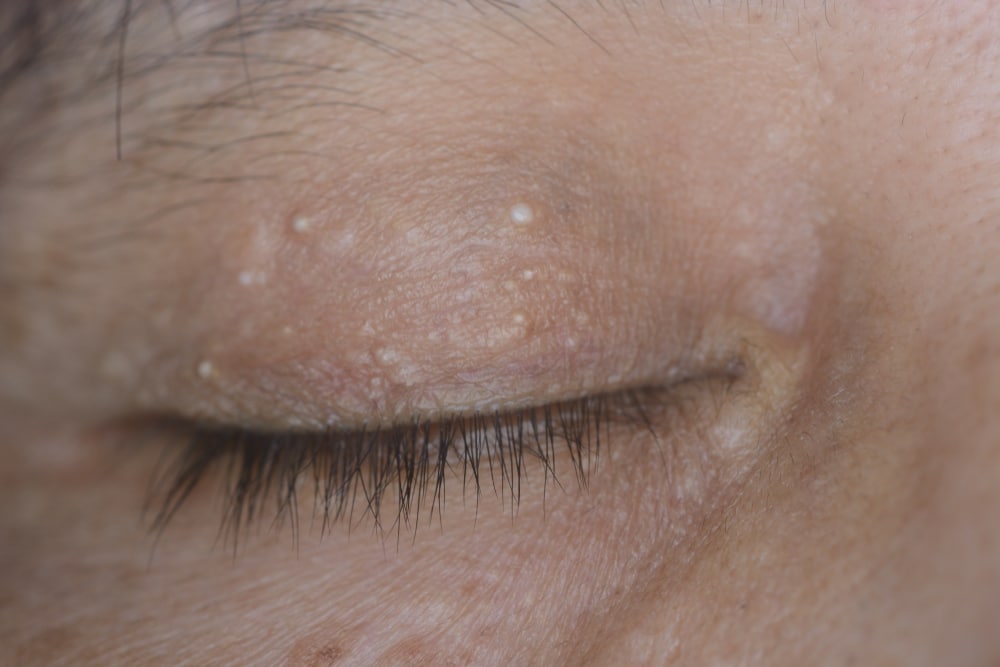
Milia: small white keratin cysts
Xanthelasma: soft yellow plaques near the inner corner of the eye
Papillomas and skin tags: benign growths along the lid margin
A proper diagnosis matters because each condition responds to a different course of treatment.
Diagnosing Eyelid Bumps at Eye Center of Texas
In most cases, an experienced ophthalmologist can diagnose a stye visually during a brief exam.
Your eye doctor will examine the eyelid margins, evaluate the meibomian glands, and check for signs of blepharitis or other underlying conditions. A slit lamp examination provides a magnified view of the lid structures and confirms whether the bump is a stye, chalazion, or another type of lesion.
Patients with recurrent styes may need additional testing for dry eye disease and meibomian gland dysfunction, since chronic gland problems are a leading cause of repeat infections. The goal is to leave the appointment with both a clear diagnosis and a plan to prevent the next flare-up.
Stye Treatment Options at Eye Center of Texas
Treatment depends on how long the stye has been present, how severe symptoms are, and whether an underlying eyelid condition exists. Our practice offers a full range of options, from conservative care to in-office procedures.
Warm Compresses and Lid Hygiene
Most uncomplicated styes respond well to warm compresses applied for ten to fifteen minutes, three to four times a day.
The heat softens the trapped oil and bacteria, encourages natural drainage, and reduces inflammation. Our team provides guidance on proper compress technique, recommended products, and a daily lid hygiene routine that supports healing and prevents future infections.
Prescription Medications
When a stye does not improve with home care, topical antibiotic ointments or drops may be prescribed to clear the infection directly. Severe or rapidly spreading styes occasionally require oral antibiotics. Patients with chronic blepharitis or rosacea often benefit from longer-term medical management, which can include topical antibiotics, anti-inflammatory medications, or omega-3 supplementation.
In-Office Drainage
Persistent styes that fail to drain on their own, or large internal styes that cause significant swelling, can be drained in our office under local anesthesia. The procedure is quick, relieves pressure and pain immediately, and shortens recovery considerably. Most patients return to normal activity the same day with simple aftercare instructions.
When to See a Specialist
Some lid bumps require professional evaluation rather than home care. Schedule an appointment with Eye Center of Texas if you experience any of the following:
- A bump that has not improved after seven to ten days of warm compresses
- Worsening pain, redness, or swelling that spreads beyond the eyelid
- Vision changes or pressure on the eye
- Recurrent styes in the same spot or on the same eye
- A firm, fixed, bleeding, or rapidly growing bump
- Discharge that does not clear with conservative care
- Fever or signs of broader infection
Stubborn or recurrent lid bumps occasionally signal a more serious condition that requires biopsy, so prompt evaluation matters.
Frequently Asked Questions about Eyelid Bumps
What causes bumps on the eyelid?
Eyelid bumps are most often styes or chalazia, but they can also be cysts, milia, or papillomas. The cause depends on the bump’s appearance, location, and how it behaves over time. A red, tender lump that appeared quickly is usually a stye, while a firm, painless bump that has lingered for weeks is more likely a chalazion.
What if my eyelid bump is not a stye?
Not every eyelid bump is a stye. Chalazia, xanthelasma, milia, and benign growths can all look similar at first glance, and a few less common lesions require medical evaluation. If a bump grows steadily, changes color, or fails to respond to warm compresses, see an ophthalmologist for an accurate diagnosis.
What causes a white bump on the eyelid?
Small white bumps on the eyelid are often milia or styes with a visible whitehead. They can also be xanthelasma, which appears as soft yellow-white plaques near the inner corner of the eye. The right treatment depends on the specific cause, so a quick exam is the best way to know for sure.
What if styes keep coming back?
Recurring styes often signal an untreated issue such as blepharitis, meibomian gland dysfunction, or dry eye disease. At Eye Center of Texas, our ophthalmologists address the root cause to break the cycle of repeat infections rather than treating each flare-up in isolation.
Schedule a Stye Evaluation in Houston or Sugar Land
A persistent or recurring eyelid bump deserves a professional evaluation rather than another week of guessing.
Do you have a bump on your eyelid that needs evaluation? Schedule an appointment at Eye Center of Texas in Houston or Sugar Land, TX, today!
Related Articles


Financing Options Available
Apply today to find a financing option that meets your needs.
Our Locations
-
455 E. Medical Center Blvd., Suite 110, Webster, TX 77598- Medical Office:
- 281-332-1397
-
22215 Cypresswood Dr., Suite 116
Cypress, TX 77433- Medical Office:
- 346-537-0088
- Medical Fax:
- 346-537-0187
-
6565 W. Loop S., Suite 650, Bellaire, TX 77401- Medical Office:
- 713-797-1010
-
Greenhouse Medical Plaza
2051 Greenhouse Road, Suite 110
Houston, TX 77084- Medical Office:
- 346-547-7070
- Medical Fax:
- 281-214-2971
-
4415 Crenshaw Road, Pasadena, TX 77504- Medical Office:
- 281-977-8800
-
15200 S.W. Freeway, Suite 130, Sugar Land, TX 77478- Medical Office:
- 281-277-1010
-
100 Medical Center Blvd., Suite 118
Conroe, TX 77304- Medical Office:
- 936-647-1610
- Medical Fax:
- 936-647-1620
No locations match that search.