Medically Reviewed by: Mark L. Mayo, M.D.
Fast-Growing Cataracts and How to Fight Them


Most cataracts develop slowly over time, but not all of them. Terms like “aggressive cataracts,” “fast-growing cataracts,” and “fast-developing cataracts” can catch patients off guard if they’ve only heard that cataracts are a gradual condition.
It’s true that most cataracts develop more slowly, making them easier to diagnose and treat before they become too harmful. Can cataracts progress rapidly? Yes. Certain conditions and activities do increase the likelihood of developing fast-growing cataracts, but treatment options are available, including blade-free laser cataract surgery.
Aggressive cataracts can disrupt your day-to-day life, but they aren’t an insurmountable obstacle. Your vision can be restored with the help of Eye Center of Texas.
What Is the Difference Between Slow- and Fast-Growing Cataracts?
There are three common types of cataracts named for their location in relation to the eyes’ lenses. Nuclear cataracts (also referred to as nuclear sclerotic cataracts) and cortical cataracts are the slower-moving conditions that people tend to think of when they think of cataracts. Both types of cataracts can become more problematic with age if left untreated.
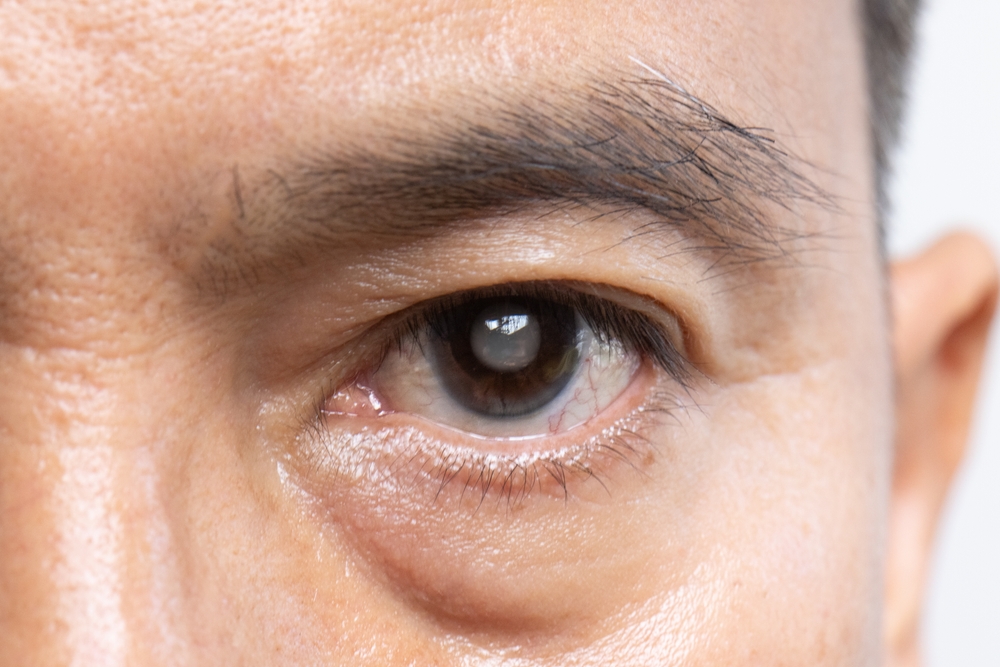
Nuclear cataracts develop in the nucleus or the center of the lens. By contrast, cortical cataracts occur on the outside — the cortex — of the lens.
The third common type of cataract, posterior subcapsular cataracts, occurs in the backmost layer of the cortex beneath the lens capsule. Unlike nuclear cataracts and cortical cataracts, this condition appears more frequently in younger people and tends to develop much faster.
What Causes Fast-Growing Cataracts?
Certain conditions and environments can facilitate cataract development and create their own incidents of aggressive, fast-growing cataracts. While less common than the three major types of cataracts, they can still be incredibly problematic and may require surgical intervention to correct.
Some causes of fast-growing cataracts include, but are not limited to, the following:
- Diabetes: Also called “diabetic snowflakes” because of their shape and gray-and-white opacity, diabetes-related cataracts occur when an enzyme converts too much glucose into sorbitol, which affects lens clarity.
- Trauma: Trauma-related cataracts occur as a result of your eye enduring either blunt or penetrating trauma that disrupts your lens fibers. These types of cataracts are typically the fastest-growing variety a patient may experience.
- Radiation: Radiation-related cataracts, sometimes listed under trauma-related cataracts, occur after the lens has been exposed to radiation. Exposure to high levels of radiation can result in clouded vision in as little as two years. Exposure to lower levels of radiation can take over a decade to affect vision, making it one of the slower-moving cataracts on this list.
- Congenital: Congenital cataracts are present at birth, and may or may not move fast based on the child’s genetics. Milder examples of this cataract type can correct themselves over time, especially if they don’t impede vision.
Any type of cataract, fast-growing or age-related, tends to progress more quickly in people who smoke or regularly use corticosteroids.
How Are Fast-Growing Cataracts Treated?
Patients diagnosed with fast-growing cataracts almost always want to know how to slow their growth. Cataracts can be treated to restore vision, especially if caught early.
Laser cataract surgery, blade-free cataract surgery, and iStent surgery are all available options. The right path forward depends on several factors, including:
Your doctor will be able to tell you the correct path forward based on a few different factors, including (but not limited to) the following:
- Age
- Overall physical health
- Overall eye health
- Progression of your cataracts
- Source of your cataracts
- Any medications you may be taking
iStent surgery, it should be noted, often works best for instances of cataracts in patients who also deal with glaucoma.
Is Cataract Surgery Safe?
One of the most common concerns patients have is the safety of cataract surgery.
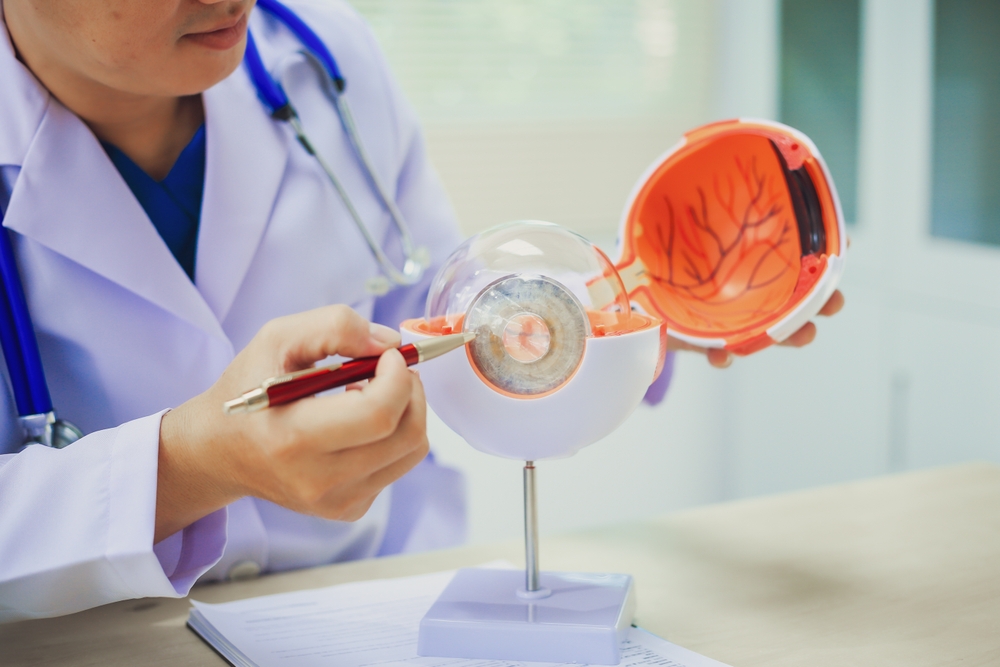
Whether you need a procedure for slow- or fast-growing cataracts, nuclear cataracts, cortical cataracts, or another condition, your options are safe, scientifically backed, and performed to full ophthalmological industry standards.
Every surgery still comes with side effects and risks, even the safest procedures available. Your surgeon will be able to give you details about all the ins and outs of the different options you may need to consider when getting your cataracts treated. Fortunately, all cataract surgeries are generally considered low-risk for the majority of patients.
How Much Does Cataract Surgery Cost?
Most private insurance companies, as well as Medicare, cover the majority of expenses associated with these procedures.
We don’t believe that cost should be a barrier to receiving quality eye care. Before you commit to a surgical procedure with us, please review our financing options available as well as our accepted insurance list.
Can Fast-Growing Cataracts Be Prevented?
While preventing cataracts altogether isn’t possible, there are a few risk factors that may make you more likely to develop cataracts earlier in life, such as:
- People over the age of 40
- People who live in high altitudes
- People with a family history of cataracts
- People who have been exposed to large amounts of radiation, including UV light from the sun
- People with high blood pressure
- People with a history of eye injury
- People who take steroids, regardless of whether or not the medication has been prescribed
- People with obesity
- Diabetics
- Smokers
Scheduling regular eye exams and discussing your personal risk factors with your doctor is the most effective proactive step you can take.
Even if you end up developing slow- or fast-growing cataracts, taking the precautionary steps can still help with reducing the severity of your symptoms.
Fast-Growing Cataract Treatment at Eye Center of Texas
At Eye Center of Texas, we pride ourselves on having given thousands of Houstonians clear and renewed vision. In fact, over 275 Houston-area eye doctors refer their patients to us when they have questions about fast-growing cataracts and require safe, high-quality surgical options.
Ready to find relief from fast-growing cataracts? Schedule an appointment at Eye Center of Texas in Houston, TX, today!
More Helpful Articles by Eye Center of Texas:
- What to Expect During EVO ICL Recovery
- Corneal Cross-Linking Success Rate
- Bifocal LASIK: Can LASIK Make You Bifocal-Free?
- How to Choose Between LASIK Surgery Options
- Can You Use Your FSA or HSA for LASIK?
Related Articles



Financing Options Available
Apply today to find a financing option that meets your needs.
Our Locations
Houston/Bellaire
6565 W. Loop S., Suite 650Bellaire, TX 77401
Medical Office:
713-797-1010
Medical Fax:
713-357-7276
LASIK/Near Vision:
Office: 713-395-1515
Fax: 713-357-7278
Pasadena
4415 Crenshaw RoadPasadena, TX 77504
Medical Office:
281-977-8800
Medical Fax:
281-977-8877
Sugar Land
15200 S.W. Freeway, Suite 130Sugar Land, TX 77478
Medical Office:
281-277-1010
Medical Fax:
281-277-4504
Clear Lake
455 E. Medical Center Blvd., Suite 110Webster, TX 77598
Medical Office:
281-332-1397
Medical Fax:
281-282-9152
Katy
Greenhouse Medical Plaza2051 Greenhouse Road, Suite 110
Houston, TX 77084
Medical Office:
346-547-7070
Medical Fax:
281-214-2971
The Woodlands/Conroe
100 Medical Center Blvd., Suite 118Conroe, TX 77304
Medical Office:
936-647-1610
Medical Fax:
936-647-1620