Medically Reviewed by: Mark L. Mayo, M.D.
What Are Toric IOLs and Who Benefits Most From Them?


Toric IOLs are lens implants that correct astigmatism during cataract surgery. They replace the cloudy natural lens like a standard implant does, but they also offset the uneven curve of the cornea that causes astigmatism. For patients with both conditions, that means one procedure can treat the cataract and sharpen distance vision, often reducing the need for glasses afterward. Here is how toric IOLs work and who benefits most from them.
What is Astigmatism?
Astigmatism is a common refractive error that happens when the cornea (the clear front surface of the eye) or the lens inside the eye has an uneven curve. A healthy cornea is shaped like a basketball, with the same curve in every direction. An eye with astigmatism is shaped more like a football, curving more steeply in one direction than the other.

That uneven curve keeps light from focusing on a single point on the retina. It can cause blurry or distorted vision at all distances, and many people also notice eye strain.
For many people, astigmatism is present from birth, though it can change over time or develop after an eye injury or surgery. Glasses and contact lenses compensate for it, but they do not change the shape of the eye.
Does Astigmatism Matter During Cataract Surgery?
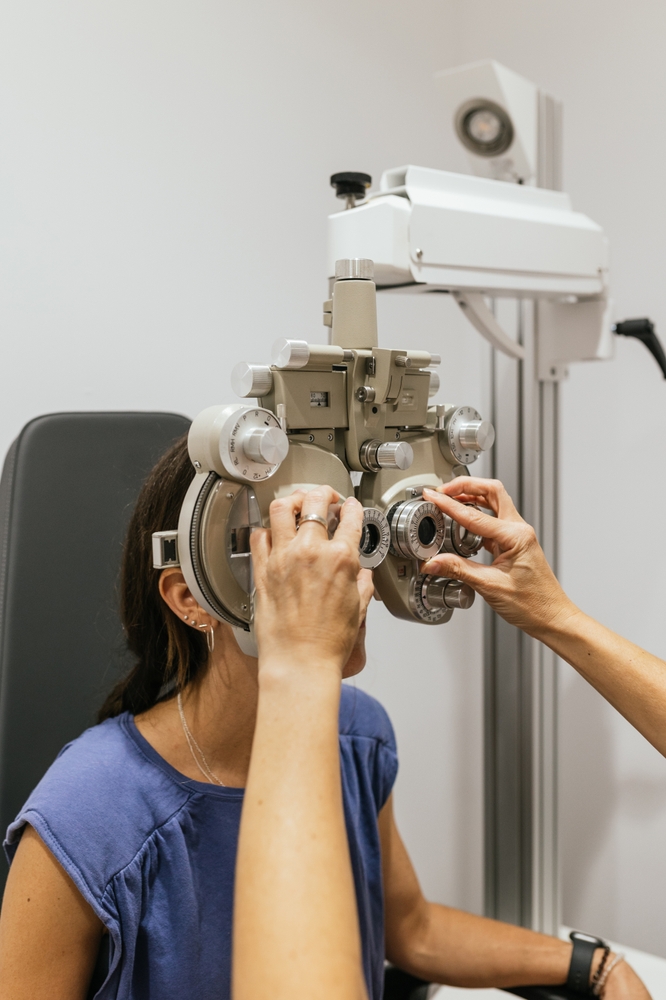
Yes, it does. During cataract surgery, the surgeon removes the clouded natural lens and replaces it with an intraocular lens (IOL). A standard monofocal IOL corrects nearsightedness or farsightedness, but it cannot correct astigmatism.
Since most astigmatism comes from the cornea, it stays behind after the cataract is removed. A patient who receives a standard lens may see more brightly than before surgery but still notice blur or ghosting, and they will likely need glasses with an astigmatism correction for sharp distance vision.
For people with very mild astigmatism, that leftover blur may be minor. For people with moderate or higher amounts, it can noticeably limit the quality of their vision after surgery, which is why lens selection deserves careful thought.
What are Toric IOLs?
Toric IOLs are artificial lenses implanted during cataract surgery that correct astigmatism while replacing the eye’s natural lens. They are designed for patients with regular corneal astigmatism, meaning the cornea curves unevenly but in a consistent, predictable pattern.
A standard IOL has the same focusing power across its entire surface. A toric IOL has different powers in different directions, which offsets the uneven curve of the cornea. Small markings near the edge of the lens show the surgeon exactly how it should be positioned.
A toric lens only works when it lines up with the steep axis of the cornea. Each degree of rotation away from the intended axis reduces the astigmatism.
Modern astigmatism-correcting lens implants are designed to stay stable once they settle inside the eye.
Who Should Choose a Toric IOL?
Toric IOLs tend to benefit people who need cataract surgery and also have a certain amount of astigmatism. Your eye surgeon is the best person to decide whether you are a good fit, but strong candidates often include people who:
- Have regular corneal astigmatism of about 1 diopter or more
- Want clear distance vision without relying on glasses for driving, watching TV, or outdoor activities
- Were not good candidates for LASIK or other laser vision correction in the past
- Have worn glasses or toric contact lenses for years and want to depend on them less
A toric IOL is not the right choice for every eye. People with very mild astigmatism may get enough correction from limbal relaxing incisions, which are small arc-shaped incisions that relax the steeper curve of the cornea.
Grant Hopping, MD, likes to remind his patients that when it comes to modern cataract surgery rather than relying on a one-size-fits-all approach, he emphasizes matching today’s cutting-edge intraocular lens (IOL) with his patient’s specific lifestyle and vision goals.
How Precise Measurements Shape the Results
Toric IOLs depend on accurate measurements taken before surgery. Your surgeon will map the curve of your cornea, measure the length of your eye, and determine both the amount of astigmatism and its exact axis.
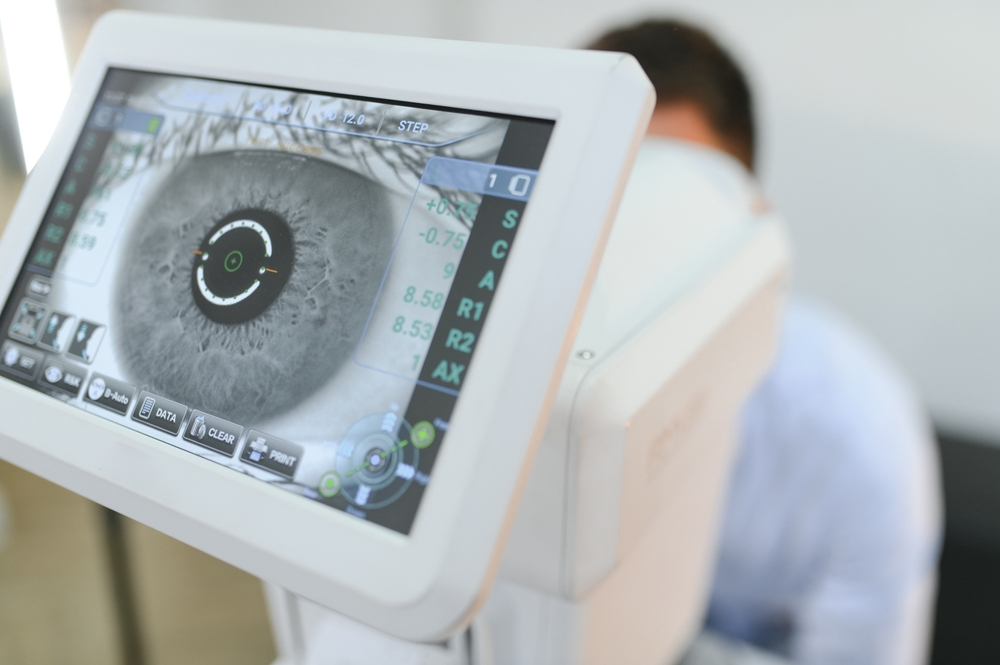
Small factors can affect these readings. Dry eye can distort corneal measurements, and contact lenses can temporarily change the shape of the cornea, so your care team may ask you to stop wearing contacts for a set period before testing.
Technology in the operating room adds another layer of accuracy. With laser cataract surgery, the surgeon uses detailed eye mapping to guide the incisions and the opening in the lens capsule, which helps center the new lens. Surgeons also confirm the toric lens sits on the planned axis before the procedure ends.
At Eye Center of Texas, advanced diagnostic imaging and laser-assisted techniques allow surgeons to plan each toric lens placement around the unique shape of the patient’s eye.
Finding Clearer Vision With the Right Lens
Toric IOLs give people with cataracts and astigmatism a way to address both conditions in a single procedure. Patients with moderate to high regular astigmatism who want sharper distance vision and less reliance on glasses often benefit the most.
Every eye is different, and choosing an intraocular lens works best as a shared decision between you and your surgeon. The specialized cataract team at Eye Center of Texas takes the time to measure your eyes carefully, talk through your daily visual needs, and recommend the lens that fits you best.
Wondering if a toric IOL could help you see clearly after cataract surgery? Schedule an appointment at Eye Center of Texas in Houston, TX, today!
Related Articles



Financing Options Available
Apply today to find a financing option that meets your needs.
Our Locations
-
455 E. Medical Center Blvd., Suite 110, Webster, TX 77598- Medical Office:
- 281-332-1397
-
22215 Cypresswood Dr., Suite 116
Cypress, TX 77433- Medical Office:
- 346-537-0088
- Medical Fax:
- 346-537-0187
-
6565 W. Loop S., Suite 650, Bellaire, TX 77401- Medical Office:
- 713-797-1010
-
Greenhouse Medical Plaza
2051 Greenhouse Road, Suite 110
Houston, TX 77084- Medical Office:
- 346-547-7070
- Medical Fax:
- 281-214-2971
-
4415 Crenshaw Road, Pasadena, TX 77504- Medical Office:
- 281-977-8800
-
15200 S.W. Freeway, Suite 130, Sugar Land, TX 77478- Medical Office:
- 281-277-1010
-
100 Medical Center Blvd., Suite 118
Conroe, TX 77304- Medical Office:
- 936-647-1610
- Medical Fax:
- 936-647-1620
No locations match that search.