Medically Reviewed by: Mark L. Mayo, M.D.
Fuchs Dystrophy and Cataracts: Your Surgery Options


Can someone with Fuchs Dystrophy and cataracts have cataract surgery? Is it possible to have surgery for Fuchs Corneal Dystrophy and cataract surgery at the same time?
While it is not uncommon for patients to have two eye surgeries at a time (as when patients have glaucoma and cataract surgery, for example), patients with cataracts and Fuchs Endothelial Corneal Dystrophy (FECD) have several considerations to keep in mind.
What is Fuchs Endothelial Corneal Dystrophy?
A patient with Fuchs Dystrophy has deteriorated endothelial cells or less than average. When a patient loses too many endothelial cells, they risk having corneal edema (a swelling of the cornea) or other complications. Patients with advanced Fuchs Dystrophy often require a corneal transplant, which is why having Fuchs Dystrophy and cataracts requires special consideration.
What are cataracts?
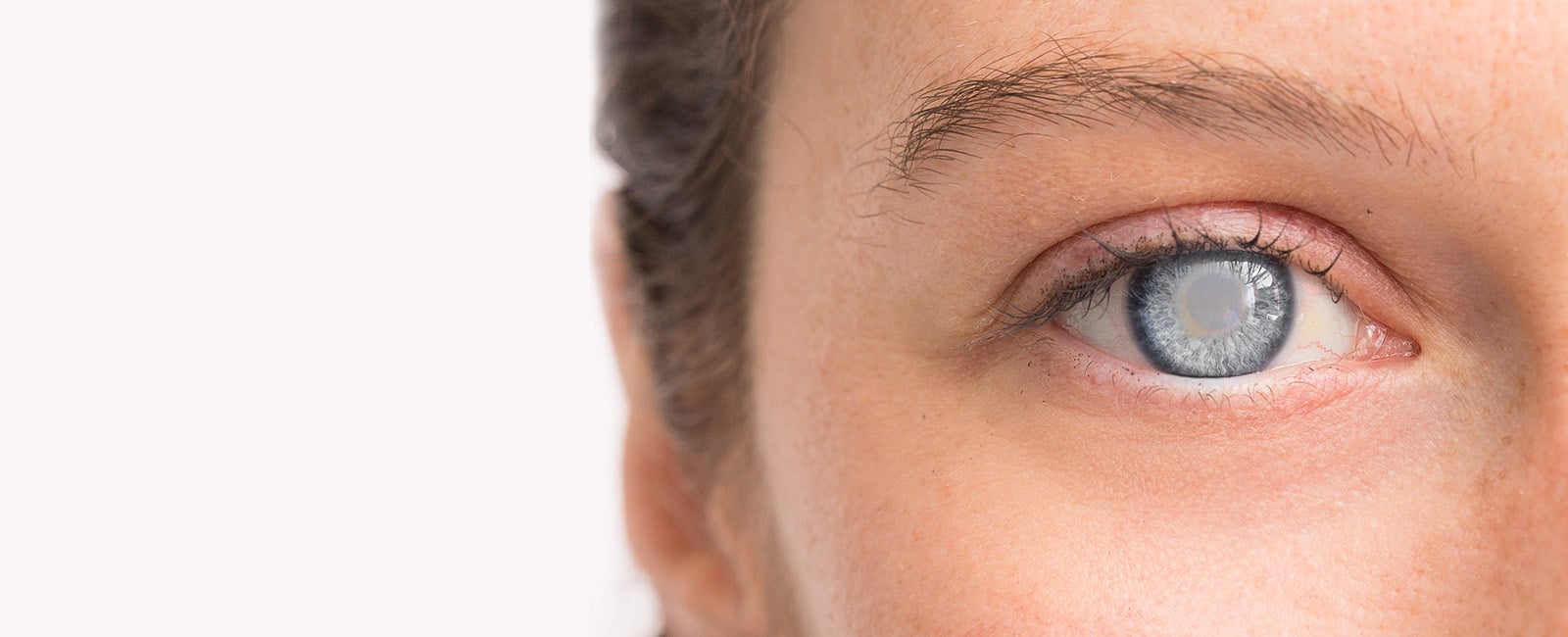
Cataracts are (frequently) a natural part of aging and occur when the eye lens becomes cloudy, obscuring vision. Because cataracts are so common, cataract surgery — the surgical removal of a cataract — is one of the common eye surgeries in the world.
(For more information on what to expect during cataract surgery and answers to questions such as “Is cataract surgery safe?” call us or explore the Eye Center of Texas blog.)
Surgery options for patients with Fuchs Dystrophy and cataracts
When a patient has both Fuchs Dystrophy and cataracts, the question is often raised whether it is better to have combined cataract and corneal transplant surgeries, or separate surgeries. Recent research indicates that the answer lies within the condition of the cornea.
Patients with advanced Fuchs Dystrophy and cataracts should probably avoid combined cataract and corneal transplant surgeries.
During cataract surgery, the likelihood that the cornea’s fragile endothelial cells will be damaged increases significantly, which in turn would make the need for a corneal transplant come sooner.
Patients with mild Fuchs Dystrophy and cataracts, however, may have the choice to have two separate surgeries.
More encouraging, placing a jelly-like gel (viscoelastic gel) inside of the eye during cataract surgery has been shown to decrease the loss and damage of endothelial cells during cataract surgery.
Have Fuchs Dystrophy and cataracts? We can help.
Even if you don’t have both Fuchs Dystrophy and cataracts, the decision to have cataract surgery can be a little overwhelming in and of itself; there are additional choices to be made within that decision, such as “Should I try a multifocal lens for cataract surgery?” Luckily, you don’t have to make these decisions alone.
The physicians and staff at Eye Center of Texas have the experience and expertise to guide you through these sometimes complicated choices. To find out if surgery for both Fuchs Corneal Dystrophy and cataracts is right for you, schedule an appointment today.
Related Resources:
Related Articles



Financing Options Available
Apply today to find a financing option that meets your needs.
Our Locations
-
455 E. Medical Center Blvd., Suite 110, Webster, TX 77598- Medical Office:
- 281-332-1397
-
22215 Cypresswood Dr., Suite 116
Cypress, TX 77433- Medical Office:
- 346-537-0088
- Medical Fax:
- 346-537-0187
-
6565 W. Loop S., Suite 650, Bellaire, TX 77401- Medical Office:
- 713-797-1010
-
Greenhouse Medical Plaza
2051 Greenhouse Road, Suite 110
Houston, TX 77084- Medical Office:
- 346-547-7070
- Medical Fax:
- 281-214-2971
-
4415 Crenshaw Road, Pasadena, TX 77504- Medical Office:
- 281-977-8800
-
15200 S.W. Freeway, Suite 130, Sugar Land, TX 77478- Medical Office:
- 281-277-1010
-
100 Medical Center Blvd., Suite 118
Conroe, TX 77304- Medical Office:
- 936-647-1610
- Medical Fax:
- 936-647-1620
No locations match that search.