Medically Reviewed by:
Fuchs Dystrophy and Cataracts: Your Surgery Options


Can someone with Fuchs Dystrophy and cataracts have cataract surgery? Is it possible to have surgery for Fuchs Corneal Dystrophy and cataract surgery at the same time?
(more…)
Related Articles


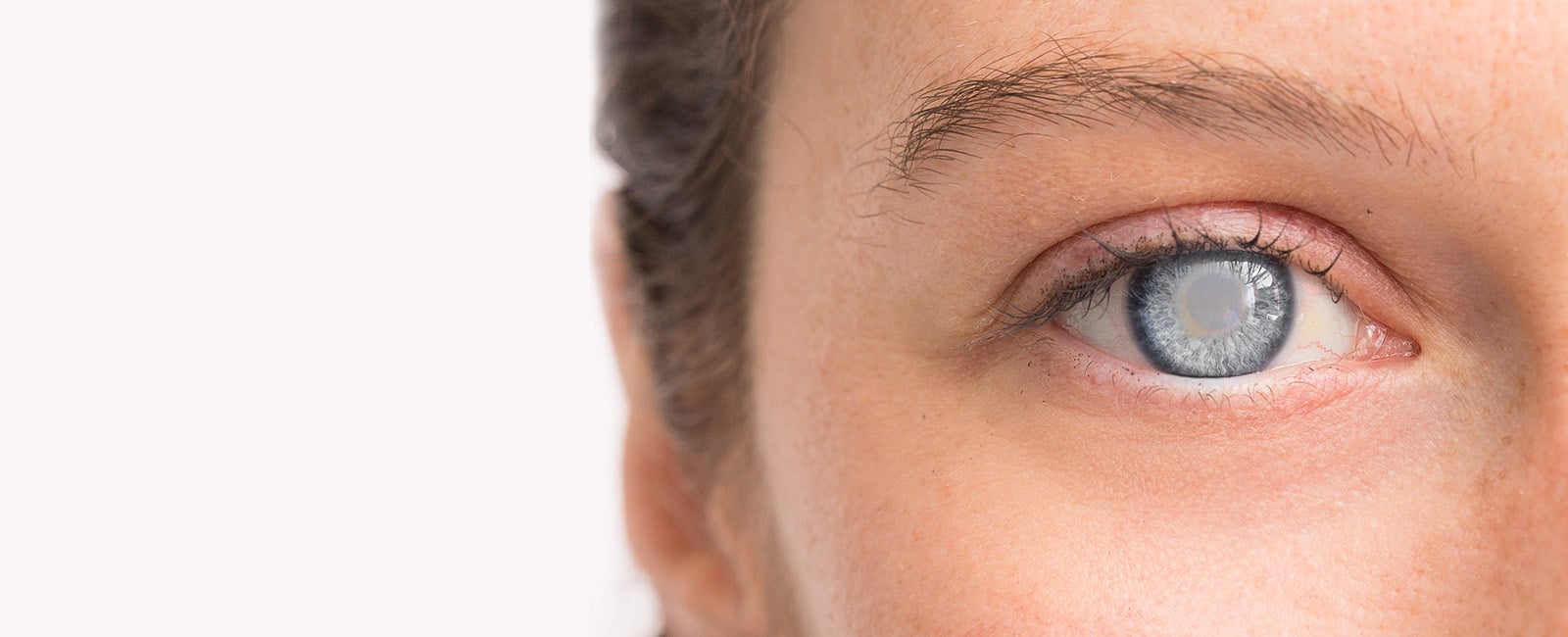

Medically Reviewed by:
Cataract Awareness Month: Eye Health and Safety
June is cataract awareness month! Cataracts are the leading cause of vision loss and blindness worldwide. If you or a loved one have or are concerned about cataracts, there’s no better time than now to educate yourself about how to prevent blindness and vision loss due to cataracts. Make cataract awareness month 2018 count; learn about what causes cataracts, cataract symptoms, how to prevent cataracts, cataract surgery, and more.
(more…)
Related Articles
Medically Reviewed by:
Can you get PRK After LASIK? Understanding LASIK Enhancement.
Can you get PRK after LASIK? And if so, why would you want to? The vast majority of patients report permanently improved vision after LASIK surgery. However, there are a few rare cases in which someone may need additional eye treatment to reach their optimal vision.
That’s where LASIK enhancements come in, including PRK enhancement surgery. Learn about when the top LASIK surgeons in Houston advocate for PRK enhancement, how PRK is different from LASIK surgery, and more.
(more…)
Related Articles
Medically Reviewed by:
UV Light & Damage to Your Eyes
May is Ultraviolet (UV) Awareness Month and, for that reason, a perfect time to talk about UV damage to eyes. Anyone who has had a sunburn is familiar with the harmful effects of UV rays on the skin. UV damage to eyes, however, seems to fly under the radar, even though it is also fairly common. Do your blinkers a favor and learn about the effects of UV damage to eyes and how they can be prevented.
(more…)
Related Articles
Medically Reviewed by:
LASIK FAQ
LASIK FAQ: it’s one of our most-requested resources to publish. Every year, hundreds of thousands of LASIK procedures are performed in the United States, and millions are performed around the world. With more and more people turning to LASIK for their vision needs, Eye Center of Texas, strives to provide the best LASIK in Houston. We hope this guide of LASIK FAQs helps answers your questions.
(more…)
Related Articles
Medically Reviewed by:
Glaucoma & Cataract Surgery: The iStent Procedure
Ready for some good news? If you’re considering having glaucoma and cataract surgery done together, you may now be able to take advantage of the innovative iStent eye surgery. For many, the iStent eye surgery has reduced both their intraocular pressure and their use of (sometimes expensive) medicated eye drops. To make a good deal better, iStent eye surgery is typically covered by insurance.
(more…)
Related Articles
Medically Reviewed by:
Fixing Keratoconus: Corneal Collagen Cross-Linking and You
Keratoconus is a progressive eye disease that weakens the cornea. Until recently, a keratoconus diagnosis meant having to purchase new prescriptions eyewear every year in order to stay one step ahead of blurred vision. Today, a new procedure for keratoconus, corneal collagen cross-linking (CXL), has improved ophthalmology’s ability to treat keratoconus.
(more…)
Related Articles
Medically Reviewed by:
Choosing a Multifocal Lens for Cataract Surgery
“Should I get the multifocal lens for cataract surgery?” While the decision to get cataract surgery in Houston can be easy, the patient often also has to make custom choices about their vision correction. For some, the different lens options can be a little overwhelming at first. Here’s why multifocal lenses for cataracts might be the right choice for you.
Understanding cataracts & cataract surgery
In order to understand the purpose of multifocal intraocular lenses (multifocal iols), you need to understand cataracts and corrective cataract surgery. Cataracts are a natural part of the eye’s aging process and occur when the clear lenses of your eyes begin to cloud. This clouding can be exacerbated by some natural phenomena, such as prolonged sun exposure to the eyes.
There are steps you can take to avoid cataracts. (Check them out here: How to Avoid Cataracts.) Nevertheless, by the age of 65, nearly 90% of people will have developed a cataract at some point.
Eventually, cataracts can lead to diminished vision and can impair your ability to perform many daily tasks. However, if a cataract evaluation shows that you’re a good candidate for cataract surgery, you may be able to clear and correct your vision.
Cataract surgery is a minimally invasive procedure during which a doctor removes a cataract via tiny incisions. It is a common, safe, and stable procedure. Many eye surgeons report successfully performing cataract surgery on patients in their 70s, 80s, and even 90s in some cases.
Understanding intraocular lenses & cataract surgery
When a cataract is removed from the patient’s eye, a replacement lens needs to be inserted so the patient’s vision will be clear and focused.
A replacement lens is known as an intraocular lens. Patients can choose their preferred type of intraocular lens: monofocal intraocular lenses or multifocal intraocular lenses.
Choosing between a monofocal and multifocal lense for cataract surgery is an important part of the cataract surgery process. But what is the difference between monofocal lenses and multifocal intraocular lenses?
Monofocal lenses for cataracts
Monofocal intraocular lenses are typically a common choice for cataract surgery. However, these lenses focus on just one distance, as opposed to multifocal lenses. Monofocal intraocular lenses require you to choose whether you want to see far, intermediate, or near distances. You will also be able to choose whether you want both to see different distances in each eye.
With monofocal intraocular lenses, patients will experience clear and corrected vision within their distance of choice. That said, it may be difficult for the eyes to adjust from daily vision needs with differing distances, such as reading a book, working in the backyard, driving a car, and driving at night.
Multifocal intraocular lenses for cataracts
Unlike monofocal intraocular lenses, multifocal intraocular lenses allow you to see a range of distances. Instead of choosing just one distance, you can both read a book and see a sign on the road. Multifocal lenses for cataracts can have other benefits, including both cataract and astigmatism correction.
What is the best lens replacement for cataract surgery?
Which lense is better, monofocal or multifocal? Which lens is best for cataract surgery replacement? The best answer to questions like these is: it depends on your vision needs.
It’s best to consult with your doctor to find which type of lenses suit your needs. However, one thing that your doctor will probably consider if you elect monofocal lenses is that, if you wore glasses before the surgery, then you will likely need to wear glasses afterward as well.
The corrective lenses in your glasses will help you see the distance you did not elect for when choosing monofocal lenses. So, if you chose a far distance, then you will need reading glasses; if you chose a near or intermediate distance, then you will need distance glasses.
On the other hand, multifocal lenses for cataracts provide vision correction for multiple distances. For that reason, many patients are able to reduce their dependence on glasses after cataract surgery.
Toric multifocal lenses and ReSTOR multifocal lenses for cataracts
There are different kinds of multifocal lenses to choose from. If you have astigmatism, Eye Center of Texas can provide you with what is called an AcrySof IQ Toric lens. This unique, donut shape lens provides different refractive powers that correct astigmatism.
Toric lenses can be more effective than other astigmatism correction techniques because they can take care of two problems at once: cataracts and astigmatism.
Another kind of multifocal lense, the AcrySof IQ ReSTOR lens, is the most advanced multifocal intraocular lens we provide at Eye Center of Texas. This multifocal intraocular lens features patented apodized diffractive technology, which allows you to see all distances with the best clarity.
Another benefit of ReSTOR lenses is that they provide excellent distance vision in low light situations, such as nighttime driving. Patients have also reported a much lower incident rate of halos around light in low light situations.
Finally, ReSTOR lenses treat Presbyopia, a natural condition that leads to worsened vision. At Eye Center of Texas, 4 out of 5 patients have reported complete freedom from glasses or other corrective means when they elect for ReSTOR lenses.
Should I choose a multifocal lens for my cataract surgery?
Eye Center of Texas is here to help you decide which multifocal lens for cataract surgery best suits your vision needs. Over 275 Houstons-area doctors trust the team at Eye Center of Texas. Start your vision correction today by scheduling an appointment to see if multifocal intraocular lenses are the right fit for you.
Related Resources for Cataracts
Related Articles
Medically Reviewed by:
Is Cataract Surgery Safe?
Is cataract surgery safe? Since very few people research vision correction until they need it, cataract surgery can, at first, seem a little scary and unfamiliar. When patients learn that they need cataract surgery, so many questions come up. Patients ask, “Is cataract surgery safe?” “How serious is cataract surgery?” and, “How much does cataract surgery cost?”
(more…)
Related Articles
Medically Reviewed by:
Wearing Contacts After LASIK Eye Surgery
Why would someone need to wear contacts after LASIK? While LASIK has more than an overall 95% satisfaction rate, additional corrective vision options such as contacts or glasses are sometimes necessary. Learn about the reasons some LASIK patients may have additional corrective vision needs post-LASIK, including wearing contacts after LASIK.
(more…)
Related Articles
Financing Options Available
Apply today to find a financing option that meets your needs.
Our Locations
-
455 E. Medical Center Blvd., Suite 110, Webster, TX 77598- Medical Office:
- 281-332-1397
-
22215 Cypresswood Dr., Suite 116
Cypress, TX 77433- Medical Office:
- 346-537-0088
- Medical Fax:
- 346-537-0187
-
6565 W. Loop S., Suite 650, Bellaire, TX 77401- Medical Office:
- 713-797-1010
-
Greenhouse Medical Plaza
2051 Greenhouse Road, Suite 110
Houston, TX 77084- Medical Office:
- 346-547-7070
- Medical Fax:
- 281-214-2971
-
4415 Crenshaw Road, Pasadena, TX 77504- Medical Office:
- 281-977-8800
-
15200 S.W. Freeway, Suite 130, Sugar Land, TX 77478- Medical Office:
- 281-277-1010
-
100 Medical Center Blvd., Suite 118
Conroe, TX 77304- Medical Office:
- 936-647-1610
- Medical Fax:
- 936-647-1620
No locations match that search.