Medically Reviewed by:
Preparing For Cataract Surgery


Your Pre- And Post-Op Checklist
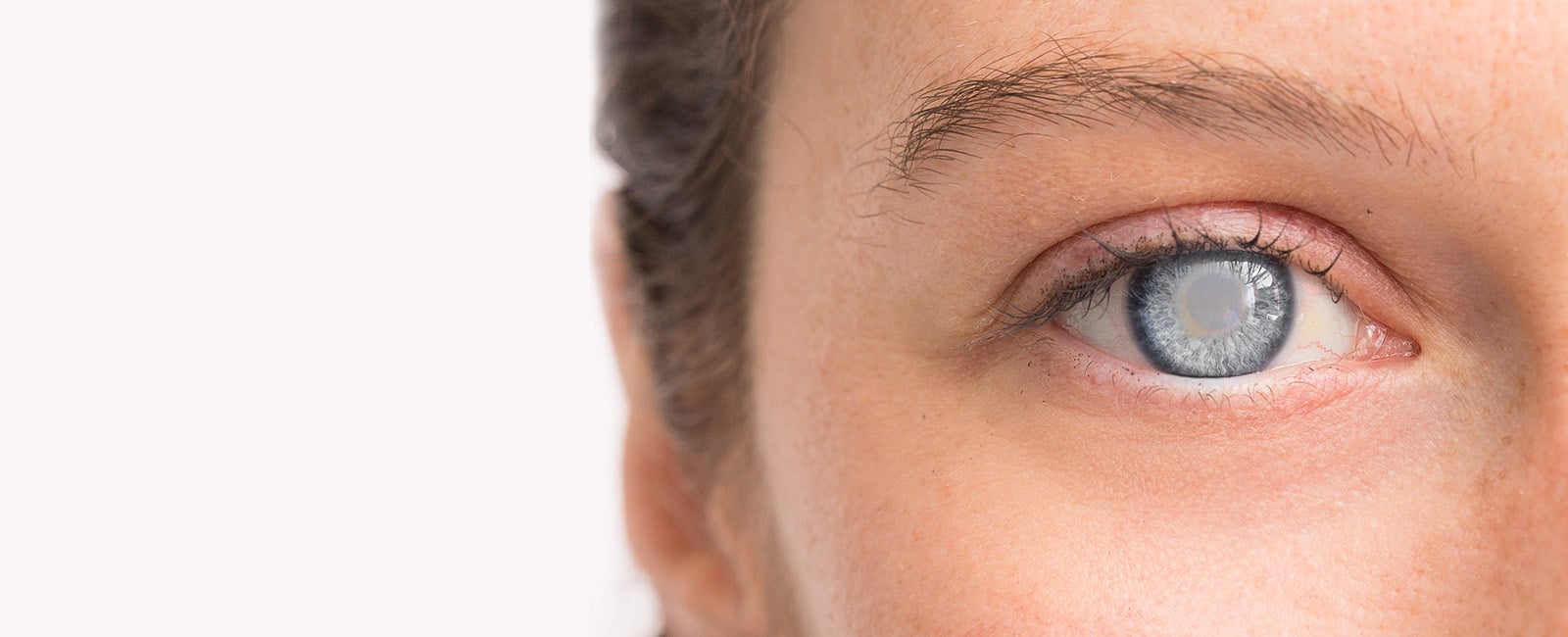
If you’re preparing for cataract surgery, you’re probably eager to get back to seeing better and looking forward to life with clearer vision. The side effects of cataracts (both short-term and long-term) can have a devastating impact on your quality of life (check out these early signs of cataracts), and it’s important to treat the issue as soon as possible so that you can return to better vision.
To help you better prepare for cataract surgery, we’ve created a simple before and after checklist to help you navigate the procedure safely and effectively.
Pre-op checklist for cataract surgery
There are several things you can do to prepare for cataract surgery that will help make the days and hours leading up to the surgery easier on you and your family.
One week before your surgery
- Your doctor will perform tests to identify which lens to use for your surgery. You should let your doctor know if you are taking any medications and be sure to schedule follow-up appointments and discuss any additional day-of preparations that may be needed.
- Your doctor may give you eye drops for future use.
- Plan to take off 1–3 days from work.
- Find someone who will be able to drive you home after your surgery.
The night before your surgery
- Use the eye drops as prescribed by your doctor.
- Do not eat or drink after midnight (this includes water and alcohol).
- Confirm your ride home for after the surgery.
- Consider prepping your meals for the next few days (after your surgery, you will want to avoid any splatter, heat, or steam that might come from cooking).
The day of your surgery
- Do not eat or drink before your surgery. (You can brush your teeth, but use minimal water.)
- Do not wear makeup or facial creams.
- Arrive at your appointment early.
Post-op checklist for cataract surgery
While you can typically return to normal activities within 48 hours, total cataract surgery recovery time is between 6–8 weeks. Here are a few things you may experience during that time, including a few do’s and don’ts after cataract surgery. Keep these in mind as you’re preparing for cataract surgery.
Within the first 24 hours
- You might experience minimal discomfort or blurred vision after cataract surgery.
- You should avoid rubbing your eyes, applying makeup, or using facial creams.
- You should avoid strenuous activity (this includes exercising).
- You should avoid watching TV and operating a vehicle.
24 hours and beyond
- Use any prescribed medications or eye drops to your doctor’s specifications.
- Don’t worry about how you sleep post-procedure.
- You can sleep however if you choose, but if you’re still concerned, you can avoid sleeping on the side where you had the surgery. Either way, you should be fine.
- You can resume light exercising (avoid lifting more than 15 pounds for the first week).
- Swimming after cataract surgery is considered a risk — it’s recommended that you wait at least two weeks post-surgery before taking a dip or submerging in water.
- Make sure you attend any post-op appointments set with your doctor. If you experience any lingering discomfort, call your doctor.
How long does it take for my vision to stabilize after cataract surgery?
While recovery time can take anywhere between 6-8 weeks, your vision could stabilize before that (between 3–6 weeks). However, this will definitely depend on your individual situation. Check out our article, “What to Expect After Cataract Surgery: Side Effects and Timing” to learn more about the recovery timeline.
Have more questions about how to prepare for cataract surgery?
At Eye Center of Texas, we’ve performed over 80,000 successful cataract surgeries, and we’d love to help you see better, too. If you’re wondering what the cataract surgery cost is or wondering, “What do cataracts look like?” We are here to answer these questions and more. If you’d like to request an appointment, call 713-797-1010 or contact us online today.
More Helpful Articles by Eye Center of Texas:
Related Articles



Medically Reviewed by:
Cataract Surgery Recovery Time
Patients considering cataract surgery often have questions regarding laser cataract surgery recovery time. That’s because while patients are often able to return to most of their regular activities within 24 hours of the procedure, other elements of cataract surgery recovery can take longer.
In other words, there’s less of a concrete “cataract surgery recovery time” and more of a cataract surgery recovery timeline.
At Eye Center of Texas, our top Houston cataract surgeons provide some of the best cataract surgery services in the nation. These services include helping our patients through the recovery process, which is one reason why we’ve created this guide to how to navigate cataract surgery recovery time.
Read on to discover how long it takes to recover from cataract surgery, what activities you should and shouldn’t do during cataract surgery recovery time, and the ins and outs of cataract surgery aftercare.
Cataract surgery aftercare
All in all, the total cataract surgery recovery time typically winds up being between 6-8 weeks long. During that time, your eyes are healing and adjusting to the removal of the cataract and (frequently) the insertion of an Intraocular Lens(es), commonly referred to as IOLs.
As your eyes recover, you may experience blurred vision during the first few hours and/or days of your cataract recovery time. You may also experience soreness, itchiness, and discomfort. These symptoms should abate within a few hours or days but may take longer to completely disappear.
In the meantime:
- Don’t rub your eyes and, to that end, do your best to avoid allergens and dust
- Maintain only light activity; steer clear of heavy lifting and avoid strenuous exercise
- Do not wear makeup and avoid using lotions and creams on your face
- Follow your doctor’s recommendations with regard to driving, and medication
As noted, your ophthalmologist will likely prescribe anti-inflammatory eye drops as well as other medications and/or eye drops that will help your eyes fight infections and stay lubricated. We will cover information regarding driving below.
FAQ: How should I sleep after cataract surgery?
Those looking to reduce cataract surgery recovery time are often concerned about how to sleep after cataract surgery. This concern is natural, especially if you’re a restless sleeper. While you can technically sleep in any position, you may wish to avoid sleeping on the side where you received surgery.
FAQ: How long before vision stabilizes after cataract surgery?
Another question we receive frequently with regard to what to expect after cataract surgery is “When will blurry vision after cataract surgery go away?” The rate at which your vision stabilizes post-op is one of the most personalized aspects of your cataract surgery recovery. It will depend on the health of your eye, the severity of your cataract, the type of lens you choose, and how proactive you are during recovery.
Many patients report clearer vision within a day of surgery, with noticeable improvements within a week. But it may take anywhere between 3–6 weeks for your vision to truly “settle” into its new normal.
Cataract surgery and time off work
Many people put off cataract surgery because they are afraid that cataract surgery recovery time will interfere too much with their work. While some patients — especially those with physically demanding jobs — may need to take off a more extended period of time to let their eye(s) properly recover, most patients are able to return to work between 1–3 days after surgery.
Patients should speak to their ophthalmologists to determine how much time they should request off of work.
Other activities during cataract surgery recovery time
There are some activities which recent cataract surgery patients should avoid during recovery if they wish to preserve the health of their vision. Some of these activities can be resumed in just a few days, while others should be avoided for several weeks.
Here are some guidelines for getting back to more frequently asked about activities, but always make sure to communicate with your doctor about your specific needs.
How soon can I drive after cataract surgery?
Patients will need someone to drive them home directly after their procedure. However, many people can get back behind the wheel as soon as 24 hours after cataract surgery, and we frequently see patients who have driven themselves to their next-day check-up.
That said, the appropriate time to start driving again is entirely dependent on the patient. If you are still experiencing blurry vision 24 hours after your surgery, don’t drive. Speak with your ophthalmologist at your follow-up appointment to help determine when you can get back on the road.
Can I watch TV after cataract surgery?
Directly after cataract surgery, it’s best to let your eyes rest. Most doctors will recommend that you try to take a nap once you return home from the procedure. Additionally, depending on the health of your eyes and how they react to the procedure, your vision may or may not be too blurry to see details on your TV or computer screen.
However, should you be able to focus on your TV or computer, we recommend keeping screen time to a minimum for at least the first 24 hours post-op. The strain of looking at a screen can be hard on your post-op eyes.
For example, humans blink less frequently when looking at a screen, and since blinking replenishes the protective and lubricative film of tears on your eyes, screen time can increase your chances for eye dryness and irritation as you recover.
When can I exercise after cataract surgery?
It is best to forego strenuous activity for at least one week after cataract surgery. That includes exercise. Specifically, we recommend that you avoid lifting anything that weighs more than 15–20 pounds, exercise that involves bending over, and intensive cardio. Meanwhile, you should feel free to pursue light activity such as walking around the neighborhood or on a treadmill.
When can I go swimming after cataract surgery?
Swimming — even in your own pool — increases your chances of exposing your eyes to harmful bacteria. During cataract surgery recovery time, your eyes are much more vulnerable to infection, making swimming simply too much of a risk for at least the first two weeks post-op, and possibly longer if you’re considering swimming in a public pool.
For more information on when you can consider getting back in the pool — be it your own, a public pool, a water park, hot tub, or sauna — check out our article on swimming after cataract surgery.
When can I cook after cataract surgery?
For whatever reason, when planning for post-op care, patients often overlook the matter of food. That’s why one of the most frequent questions we receive post-cataract surgery is How many days after cataract surgery can you cook?
When possible, it’s best to avoid cooking for about a week after cataract surgery. Doing so reduces your eye’s exposure to steam, heat, and food splatter. If you live alone and need ideas for how to prep for a week without cooking, check out the italicized link directly above.
Have more questions about cataract surgery or cataract surgery recovery time and aftercare? Call Eye Center of Texas.
If you’ve lived with cataracts for a long time (or even for a little while), cataract surgery can be life-changing. To a large extent, the short cataract surgery recovery time allows patients to get up, get out, and get on with life while enjoying their new vision. In the meantime, one of your best resources for information about the recovery process is your ophthalmologist.
Eye Center of Texas is home to some of the leading cataract surgeons in Houston. We have performed well over 80,000 successful cataract surgeries and have helped thousands of people from all over the nation see clearly again. Whether you are considering cataract surgery or are in the middle of the recovery process, Eye Center of Texas is here for you.
Put your vision in the hands of vision experts. To request an appointment, call 713-797-1010 or contact us online today.
More Helpful Articles by Eye Center of Texas:
Related Articles
Medically Reviewed by:
Can You Wait too Long to Have Cataract Surgery?
Previously, we’ve covered the signs for knowing when to have cataract surgery — i.e. when having cataract surgery may improve your quality of life — but can you wait too long to have cataract surgery?
As home to some of the leading cataract surgeons in the nation, the surgeons at Eye Center of Texas often receive variants on this question, including How long can you wait for cataract surgery? or Is it ever too late to have cataract surgery?
Some patients, especially those with little ones, are concerned about how the cataract surgery recovery time will interfere with their lives (although most patients are able to go about their normal day within 24 hours). Others may have recently discovered that they have fast-growing cataracts and want to know how quickly they need to act.
Whatever the reason you’re wondering, “can you wait too long to have cataract surgery?” Eye Center of Texas is here to help. Let’s discuss what it means to put off cataract surgery for too much time.
So, can you wait too long to have cataract surgery?
The short answer to this question would be yes, there does come a point in time when cataract surgery would be more difficult to perform than it would have been previously.
A cataract is typically an age-related eye health issue that is caused by the breakdown of proteins in the lens of the eye. When left untreated, cataracts become denser and further impair vision. If a cataract is left untreated for too long, it becomes what is sometimes called “hyper-mature.”
When this occurs, the cataract has become more dense, more difficult to remove, and more likely to cause complications during surgery.
When this point in time arrives, however, is highly dependent upon a patient’s circumstances, including the preventative measures a patient takes pre- and post-diagnosis, the rapidity of their cataract’s onset, and the underlying cause of the cataract(s), etc.
However, most patients become frustrated by visual impairment (and ready for cataract surgery) long before the cataract reaches a hyper-mature stage. In fact, a 2007 study demonstrated that patients who waited 6 more months than their counterparts to have cataract surgery were more likely to experience falls and to report a decreased quality of life.
Is it better to have cataract surgery early?
If the answer to the question Can you wait too long to have cataract surgery? is “yes,” then when is the right time to have cataract surgery? Again, this will depend on the health of your eye and the nature of your cataracts.
It may also depend on your personal preferences; in their early stages, cataracts may not hinder a patient’s vision to the point that they want surgery. When this occurs, some ophthalmologists may actually recommend that you wait before getting your cataract(s) removed.
However, it’s important that you and your ophthalmologist keep an eye on the progression of the cataract(s)/your eye health once it’s discovered that you’re developing them. Some cataracts can induce glaucoma, while others can make it difficult for your ophthalmologist to check on the health of your retina.
For these and other reasons, the decision to have or not have your cataract(s) removed is one you make with your ophthalmologist should make together.
What is the average age for cataract surgery
While most people are first diagnosed with cataracts in their 40s, the average age for cataract surgery hovers around 65. Recent investigations, however, show that the average age for cataract surgery may actually be decreasing. Regardless, surgeons typically do not recommend that their patients wait until they reach the average age for cataract surgery; they recommend having cataract surgery when the time is right for your eye health and your vision.
Is it possible to have cataract surgery in both eyes at once?
Yes! In recent years, it has become increasingly common for patients to have cataract surgery in both eyes simultaneously. But again, it’s best to make this decision with the help of your ophthalmologist. The ophthalmologists at Eye Center of Texas will be happy to discuss all of your cataract surgery options, from having cataract surgery in both eyes at once to multifocal cataract surgery and more.
Is it time for you to get cataract surgery? Ask the leading cataract surgeons at Eye Center of Texas
If you’ve been wondering “can you wait too long to have cataract surgery?” because your cataracts are impairing your vision, we encourage you to give the trusted Houston ophthalmologists a call.
Our Houston cataract surgeons have performed well over 80,000 successful cataract procedures and have earned a reputation for being some of the best cataract surgeons in the country.
Put your vision and your future in experienced hands. Call 713-797-1010 or contact us online to request an appointment today.
More Helpful Articles by Eye Center of Texas:
Related Articles
Medically Reviewed by:
April is National Women’s Eye Health and Safety Month
Prevent Blindness America designated April as National Women’s Eye Health and Safety Month. But why do we need a month dedicated to women’s eye health? Many people are surprised to discover that women make up the majority of cases of visual impairment and eye diseases around the world.
For example, according to a study performed by the National Eye Institute (NIH), women constitute 61% of glaucoma and cataract patients, 65% of age-related macular degeneration cases, and 66% of blind patients in North America.
Prevent Blindness America’s landmark study, The Future of Vision: Forecasting the Prevalence and Costs of Vision Problems, found similar results, stating that… “Women make up the majority of the 4.4 million Americans age 40 and older who are visually impaired or blind. More women than men have age-related macular degeneration, cataracts, and glaucoma.”
For more information on these common vision problems, visit the following articles:
- What is Macular Degeneration
- Understanding Dry Eye Syndrome
- Cataract Surgery in Houston
- Presbyopia Prevention
Fortunately, many of the eye health issues women face can be avoided, delayed, and managed by proactive prevention. That’s why Eye Center of Texas is joining the movement to help spread awareness of women’s eye health issues during National Women’s Eye Health and Safety Month. Discover the causes, risk factors, and prevention strategies for vision problems experienced by women.
Why are women more likely to experience vision problems and blindness?
There are several reasons why women are more likely to experience issues with eye health, some of which are sociological and some of which are biological. These are the top 3 reasons.
1. Women tend to live longer than men
On average, women in the United States live 5 years longer than men, with similar trends occurring across the globe. Because many vision problems and eye diseases are age-related, the fact that women live longer than men makes them more susceptible to experiencing degenerative vision loss via cataracts, diabetic retinopathy, macular degeneration, etc.
2. Many women around the world have limited access to quality healthcare
Women, especially elderly women, under- or uninsured women, women living in poverty, and single mothers all typically face reduced access to quality, affordable, and regular healthcare options. Since one of the best ways to reduce eye problems is early and regular testing, this issue also contributes to the prominence of eye diseases in women. Some have also argued that because women are the “caregivers” in the family, they are more likely to downplay their own health issues in order to focus on helping others.
3. Women have more eye health risk factors, and some diseases are simply more prevalent among women
Women experience dramatic major hormone changes during and after pregnancy and/or during and after menopause. These changes increase the susceptibility of many women to conditions such as dry eye syndrome, glaucoma, worsening refractive errors, retinal detachment, and diabetic retinopathy. Women are also at higher risk for having autoimmune diseases that affect vision, including Sjӧgren’s syndrome, lupus, hyperthyroidism, rheumatoid arthritis, and multiple sclerosis,
4. Ways to support women’s eye health and prevent vision loss
As mentioned previously, one of the best ways women can stay on top of their eye health during National Eye Health and Safety Month and beyond is to practice preventative tactics. These include but are not limited to:
- Starting at age 40, get a regular eye exam. For most folks, that means visiting the eye doctor at least when they turn 40 and then every two years after that. If you have an eye condition, you may need to see your eye doctor more frequently. Should you notice your vision deteriorating rapidly, that’s a sign you need to visit your ophthalmologist ASAP.
- Quit smoking. Smoking and second-hand smoke have been shown to be incredibly detrimental to eye health again and again, especially with regard to cataracts and age-related macular degeneration, and dry eyes.
- Know your family’s eye health history. Refraction errors, glaucoma, age-related macular degeneration, cataracts, lazy eye, and issues with color vision can all be passed down in the family. If you know that one or more of your family members struggles with eye health issues, tell your eye doctor.
- Eat a healthy diet. Nuts, citrus fruit, dark and leafy greens, and basically all other vegetables are good not just for your eyesight, but for your overall health. If, for whatever reason, you can’t work these into your diet, you can consider taking supplements. For more information, read our recent article on the best foods for eye health.
- Wear eye protection. Keep a pair of sunglasses that block sufficient UV rays by the door you use to leave your home, in your car, with your biking gear, and/or in your purse. Wide-brimmed hats can also help limit sun exposure to your face and eyes.
- Practice good makeup hygiene. Wash your hands before applying and removing makeup, remove your eye makeup every night before sleep, keep your applicators clean, and do not share your eye makeup with others. If possible, avoid using lotions with strong chemicals around your eyes, including retinol creams.
- Practice good contact lens hygiene. Keep your contact prescription up to date and do not leave your contact lenses in longer than is recommended. Should your contact lenses come into contact with water, replace them as soon as possible; doing so can help prevent acanthamoeba keratitis, an eye disease caused by the amoeba Acanthamoeba that lives in water. Do not swap your contact lenses with others, and avoid wearing cosmetic contact lenses, especially if they are being sold without a prescription by a non-professional.
- Get your eyes checked directly before, during, and after pregnancy. Many hormone changes that can affect eye health occur during pregnancy. Women who have diabetes are especially encouraged to have their vision checked regularly during this time.
- Support organizations and initiatives such as the Schepen Eye Institute’s and NHI’s Women’s Eye Health.org (http://www.w-e-h.org/) which help to spread awareness regarding this topic.
Eye Center of Texas Supports Women’s Eye Health
Eye Center of Texas is proud to help the women of Houston and the greater Houston area to maintain their eye health, restore their vision, and continue to see their way clearly in life.
While we are most well-known for providing from some of the best LASIK in Houston our nationally-recognized team has helped thousands of women recover from and manage eye health issues and diseases such as glaucoma, cataracts, macular degeneration, and more.
From preventative care to advanced treatment options, Eye Center of Texas is here for you and your eye health needs. Put your vision in the hands of some of Houston’s most trusted ophthalmologists. Request a free LASIK consultation at 713-395-1515, a regular appointment at 713-797-1010, or contact us online today.
Additional Helpful Articles by Eye Center of Texas
Related Articles
Medically Reviewed by:
ICL vs. LASIK: Visian ICL, Visian Toric ICL, and LASIK
Patients exploring their vision correction procedure options wind up having a debate between ICL vs. LASIK. The implantation of an ICL (implantable Collamer lens) or the use of LASIK (laser-assisted in situ keratomileusis) are both popular solutions for those struggling with vision loss due to refractive errors.
When comparing ICL vs. LASIK, several questions may arise. Is one type of procedure better for me than the other? Are both LASIK and ICL eye surgery safe? Is ICL surgery permanent, like LASIK?
Let’s explore the answers to these and other frequently asked questions regarding ICL vs. LASIK to help you choose the procedure that best fits your needs.
What’s the difference between, Visian ICL, Visian Toric ICL, and LASIK?
If you struggle with nearsightedness, farsightedness, or astigmatism and are ready to be free from glasses and/or contact lenses, you have several options available to you. ICL and LASIK surgeries are two of the most popular types of procedures. Depending on your eye health needs, one may serve you better than the other—which is how we distinguish them below.
LASIK
LASIK surgery is a refractive surgery that uses a laser to reshape the surface of the cornea. The procedure can help correct nearsightedness, farsightedness, and astigmatism, and can be performed in conjunction with many other eye procedures. It is renowned for its safety and for its short surgery recovery time. However, not everyone is an ideal candidate for LASIK. For more information, read our article: Is My Vision too Bad for LASIK?
Visian ICL
The Visian ICL is an implantable, bio-compatible contact lense that can remain in your eye indefinitely, freeing you from the constant need to maintain and change your contacts. However, unlike LASIK, which has permanent effects, an ICL can be removed if a patient so wishes. ICLs are especially good for patients whose cornea’s are too thin or dry for them to be good candidates for LASIK. Unfortunately, Visian ICL can only be used to help those patients struggling with myopia (nearsightedness).
Visian Toric ICL
Until recently, patients with myopia who also had higher prescriptions and/or astigmatism would LASIK performed in conjunction with the use of an ICL to have all of their vision issues addressed. However, all of that changed when the FDA approved the Visian Toric ICL in 2018. Along with nearsightedness correction and all the other benefits of Visian ICL, the Visian Toric ICL can also address the issues caused by both higher prescriptions and astigmatism without the need for an additional LASIK procedure!
Is ICL better than LASIK?
When comparing ICL vs. LASIK, it can be tempting to ask which of the two procedures is “better.” Both procedures are safe but, like all surgeries, both contain risks. Both surgeries have a minimal recovery time and both procedures offer long-term solutions to patients living with refractive errors. So, which is better?
While some doctors may argue for one type of surgery over the other, the reality is that it depends on the patient. For that reason, we strongly encourage you to consult a trust ophthalmologist in Houston when choosing between these procedures.
Considering ICL Vs. LASIK? Request a consultation at Eye Center of Texas
Eye Center of Texas is home surgeons who have served as pioneers in multiple types of eye surgery, including the LASIK, Visian ICL, Visian Toric ICL procedures. We encourage you to explore which of these options might be best for you, then schedule a visit with our esteemed doctors to begin down the road toward clear vision.
With six convenient locations in the Greater Houston Area, Eye Center of Texas makes it easy to fix your vision in comfort. To request a LASIK consultation, call 713-395-1515. For other vision needs, please call Eye Center of Texas at 713-797-1010, or schedule an appointment online today.
More Helpful Articles by Eye Center of Texas:
Related Articles
Medically Reviewed by:
Dry Eyes at Night: Causes, Symptoms, and Treatment
Most people have a basic idea of what causes dry eyes during the day but are stumped when it comes to identifying what causes dry eyes at night. What is it about the nighttime that causes so many people to experience an uptick in dry eye symptoms?
As it turns out, a surprising multitude of factors can contribute to patients experiencing dry eyes at night. Discover the reasons you may be waking up with dry, gritty eyes—and what you can do to find relief.
Understanding dry eye syndrome
Before we get into the specifics of dry eyes at night, it’s important that we cover the basics of daytime dry eye syndrome. That’s because, more often than not, daytime eye dryness contributes to patients having dry eyes at night.
Dry eye syndrome occurs when your eyes are not receiving adequate moisture in the form of tears. Tears actually have a very specific composition; they must contain the right amounts of water, mucus, oils, and antibodies to keep your eyes covered in an even and safe lubricated coat.
When something affects the rate at which tears are produced, the rate at which tears evaporate, and the composition of the tears, dry eye syndrome can occur. In other words, dry eye syndrome is typically caused by either one or a combination of the following issues:
- Tears evaporating too quickly
- Not enough tears being produced (keratoconjunctivitis sicca)
- A change in tear composition.
For more information on what environmental elements, risk factors, medications, diseases, and other conditions contribute to these three problems, please read our comprehensive article: Dry Eye Syndrome.
Dry eye syndrome symptoms
When these aberrations occur, patients are likely to experience eye discomfort (including itching, burning, and grittiness), redness, and light sensitivity.
In some cases, these conditions will “send out a signal” for more moisture, and the body will “respond” by “sending” additional tears. However, these tears will not have the same consistency as lubricating tears. As a result, those who suffer from dry eyes may actually have excessively watery eyes.
A brief note on LASIK and dry eyes
Laser eye procedures such as LASIK and PRK can also cause daytime dry eyes. While it’s common for patients to experience dry eyes after LASIK, this issue typically resolves within a month. In the meantime, your LASIK doctor will likely recommend either OTC, preservative-free eye drops after LASIK or a prescription variant.
Why is dry eye worse at night?
Wind, smoke, dry air—all of these contributing factors to dry eyes occur during the daytime. Are there any conditions in particular that lead to dry eyes at night? As a matter of fact, yes—and more than you might suspect.
Nocturnal lagophthalmos: Nocturnal lagophthalmos is your body’s inability to close the eyelids completely while you’re sleeping. It’s thought to be caused primarily by weaknesses in the facial nerves, particularly the seventh cranial nerve. If you sleep with your eyes half-open, the extra exposure of the surface of your eye to air may be causing your tears to evaporate at a faster rate than normal.
Changes in nighttime metabolism: At night, your body’s metabolism slows down and your blood pressure drops naturally. While these important changes allow your organs to rest, they can also contribute to dry eyes at night; decreased organ function means the production of fewer tears, and lower blood pressure means your eyes are receiving fewer nutrients via blood circulation.
Nighttime technology hygiene: If you’re accustomed to scrolling through Instagram to help you wind down or to falling asleep to Netflix, this extra screen time could be contributing to your dry eyes. We blink at a lower rate while looking at screens. Since blinking replenishes the lubricating layer of tears to your eyes, staring at your phone, TV, or computer for long periods can lead to eye strain and dry eyes both during the day and at night. For more info, read up on eye damage from cell phone use.
Inadequate sleep: Not getting enough sleep? Your eyes may be suffering along with the rest of your body. Your eyes need rest and benefit from a break from exposure to the air. Inadequate sleep can worsen dry eyes at night, especially if you’re staying up watching TV or if you already struggle with dry eyes during the day.
Allergies: While they do so in different ways than described above, allergies can also cause dry eyes. Check your bedroom for allergens—detergents used to wash the sheets, dust, mold, or letting pets sleep in your bed can all trigger allergies.
Air conditioning/dry air: Houstonians love their air conditioning, and for good reason. But if your air conditioner is on at full power and/or blowing directly at your face, it may be contributing to nighttime eye dryness. In much the same way, cold, dry weather can also contribute to dry eyes at night.
Is it dangerous to have dry eyes at night
While the occasional bout with dry eyes at night won’t have long term effects, chronic dry eyes can lead to complications in eye health. From blurred vision to light sensitivity and increased susceptibility to infections, scratches, and corneal abrasions, it’s best not to dismiss your chronic dry eyes as an irritating inconvenience.
For more information on these potential side effects, check out our articles What Is A Corneal Abrasion? and Why Are My Eyes Red All The Time?
What is the best treatment for dry eyes?
Depending on the severity and frequency of your experience with dry eyes at night, you may find relief by following simple home tips for dry eye relief. Those looking for how to cure dry eyes permanently may want to take a more long-term, clinical approach.
Home remedies for dry eyes at night
- Use preservative-free lubricating eye drops designed specifically for nighttime use
- Turn down the A/C (or turn it away from your face) and/or invest in a humidifier
- Commit to making an allergen-free bedroom
- Apply a warm (not hot) compress before sleeping to help retain moisture
- Warm compresses and lid scrubs can also help rid your eyelids of irritants and reduce inflammation
- Use a sleep mask or special eye tape to limit your eyes’ exposure to the air
- Limit the use of technology before bed
- Switch from contacts to glasses several hours before bedtime
- Switch to specialty contact lenses such as Scleral lenses, which are designed to keep the eye lubricated
Clinical treatments for dry eyes at night
- Prescription eye drops such as Restasis or Xiidra
- Punctal occlusion: In-office closing the duct that drains away tears
- True Tear: Use of a device that induces natural tear production via stimulation of nasal nerves
- Autologous serum tears: Tears made from a patient’s own blood serum—ideal for patients who have treatment-resistant dry eyes
- LipiFlow: Removing blockage from the meibomian glands, which produce the oil in your tears
- BlephEX: In-office cleaning of the lashes and eyelids
Don’t let dry eyes keep you awake at night. Call Eye Center of Texas.
Dealing with dry eyes at night can be both frustrating and exhausting. If home remedies aren’t effectively treating your dry eyes, call Eye Center of Texas. Our doctors and surgeons will walk you through your options and help you find the right solution for relief from nighttime dry eyes.
Wake up without feeling the irritation of dry eyes. To request an appointment, give Eye Center of Texas a call at 713-797-1010 or contact us online today.
More Helpful Resources From Eye Center of Texas:
- Knowing When to Have Cataract Surgery
- Pain Around the Eyes: What It May Mean
- Why Is There a Bump on My Eyelid?
- How to Get Rid of Excess Eyelid Skin
- How Does Diabetes Affect the Eyes?
Related Articles
Medically Reviewed by:
What Can LASIK Surgery Correct?
As it has grown in popularity, Houston LASIK has begun to be treated as a cure-all surgery for eye issues—to the point that when patients come in, they often have to ask, “Exactly what can LASIK surgery correct?”
LASIK is an incredible procedure that has restored the vision of millions of people in North America alone. However, it cannot correct all vision issues. Let’s review the vision problems and eye health issues that the LASIK procedure can and cannot help.
What is LASIK? A quick overview.
Already familiar with LASIK? Skip to the next section: What can LASIK surgery correct?
Laser-assisted in situ keratomileusis, otherwise known as LASIK or laser eye surgery, corrects refractive errors. Refractive errors occur when a misshapen cornea misdirects the angle of light as it enters the eye, causing the light to focus on the retina at an incorrect angle and resulting in blurred vision.
LASIK reshapes the cornea using lasers, which are safer, less invasive, and more efficient than bladed LASIK procedures. The whole procedure often lasts less than 15 minutes, and LASIK recovery time is typically minimal, with many patients reporting improved vision clarity on the same day as the procedure.
In some cases (around 70%) LASIK can improve vision beyond 20/20. Over 95% of patients report satisfaction with their LASIK results.
What can LASIK surgery correct?
LASIK is a refractive surgery that works by reshaping the cornea. There are several main types of ways that your cornea can be misshapen, each resulting in its own kind of refractive error.
Nearsightedness
Nearsightedness, also known as myopia, occurs when your cornea curves at too sharp an angle, or when your eye is too elongated. Because of these aberrations, the light enters your eye and focuses too far in front of your retina, negatively affecting your distance vision. During the LASIK procedure, your ophthalmologist corrects nearsightedness by using the laser to flatten the cornea.
Farsightedness
As the name would suggest, farsightedness, also known as hyperopia, is in many ways the “opposite” of nearsightedness. Farsightedness occurs when your cornea is too flat, or when your eye is “too short.” These issues cause light to focus too far behind your retina, negatively affecting your near vision. During the LASIK procedure, your ophthalmologist corrects farsightedness by creating a steeper angle on the surface of the cornea.
Astigmatism
Astigmatism occurs when the surface of your cornea is uneven. Flat in some places, curved in others, the uneven cornea breaks up the light that enters your eye, causing it to focus on multiple places on and around your retina instead of one place. During the LASIK procedure, your ophthalmologist corrects astigmatism by smoothing the surface of the cornea.
Presbyopia
Presbyopia is an age-related eye condition that occurs when your lens loses flexibility. This loss of flexibility keeps your lens from being able to make adjustments and focus light on the retina, negatively affecting your near vision.
Scientists are still researching surgical procedures for effectively treating presbyopia. While LASIK cannot fix presbyopia completely, patients do have the option to try Monovision LASIK. During this procedure, an ophthalmologist fully corrects the distance vision of one eye while making the other slightly more nearsighted.
Some people have difficulty adjusting to monovision, so it is recommended that patients undergo a trial period using lenses or glasses that mimic the effects of monovision. Patients who can adjust to monovision enjoy the freedom from external eyewear that this procedure affords. Patients who can’t adjust to monovision might fare better with alternative treatments, including lens replacement for presbyopia.
What can’t LASIK surgery correct? Eye diseases and some extreme refractive errors.
Now that we have addressed the question, “What can LASIK surgery correct?” Let’s tackle some of the eye issues that LASIK doesn’t affect.
Keratoconus
Keratoconus is when your corneas become thin and weak, resulting in blurred vision and eyes that are cone-shaped in appearance. Because in reshaping the cornea LASIK sometimes involves thinning the cornea, patients with Keratoconus should not get LASIK surgery.
Glaucoma
There are several types of Glaucoma, all of which involve the damaging of your eyes’ optic nerves. If left untreated, glaucoma can result in extreme vision loss and even blindness. LASIK cannot address vision loss caused by glaucoma. However, if your glaucoma is being successfully treated, LASIK may still be used to correct any vision loss caused by refractive errors.
Cataracts
Cataracts are another (frequently) age-related eye condition that occurs when the proteins in the lens of your eye begin to degrade. When this breakdown occurs, the lens becomes cloudy vision problems arise. LASIK cannot address clouded lenses caused by cataracts. However, if desired, LASIK can often be performed in conjunction with or after cataract surgery.
Dry eye syndrome
During the LASIK procedure, the laser may cut some of the nerves in your cornea that detect when your eye needs extra lubrication. It is typical for patients to experience dry eyes for a short time after LASIK—as well as for most dry eye symptoms to subside after one month. However, patients who already naturally struggle with dry eyes should consult with their ophthalmologist to see whether LASIK is right for them.
Extreme refractive errors
Refractive errors are measured in units called diopters. In cases in which a patient’s refractive errors are more extreme and fall beyond certain diopter measurements, your ophthalmologist may not recommend LASIK; these patients may experience more pronounced issues with their nighttime vision and halos after LASIK. For more information, please read our article: Is My Vision Too Bad for LASIK?
Additional FAQs about what LASIK surgery can fix:
Can LASIK correct nearsightedness and farsightedness at the same time? Yes. If a patient is nearsighted in one eye and farsighted in the other, LASIK can be adjusted to correct the specific refractive area found in each eye. Not sure if you’re nearsighted or farsighted? Check out our article: The Difference Between Nearsighted and Farsighted.
Can you get LASIK if you wear bifocals?
Yes, although your doctor will likely recommend Monovision LASIK. Patients typically wear bifocals to address presbyopia, the loss of flexibility in the cornea described above.
Can you get LASIK multiple times?
While it is rare that patients would need to have LASIK performed multiple times, it can certainly be done. However, whether you are a candidate for multiple LASIK surgeries will depend on the health of your eyes and the thickness of your corneas. Patients can also opt for PRK surgery in Houston or the use of intraocular lenses (IOLs). For more information, please read our article: How Many Times Can You Have LASIK?
Curious about what LASIK surgery can correct? Considering LASIK in Houston? Contact Eye Center of Texas
Now that you know the answer to the question, “What can LASIK surgery correct?” you may be wondering, “Am I a good candidate for LASIK?” At Eye Center of Texas, we can answer these questions and more during your LASIK consultation. Our surgeons are some of the best LASIK surgeons in the country and have been pioneering advances in Houston’s eye care for decades.
LASIK can be life-changing—just check out this real-life LASIK experience by one Rice PhD student! Here at Eye Center of Texas, we are proud to be a part of these transformations and to provide Houstonians with quality, top-rated eye care.
Ready to see clearly again? Get started on your LASIK journey by calling 713-395-1515 or contacting Eye Center of Texas online today.
More Helpful Resources from Eye Center of Texas:
Related Articles
Medically Reviewed by:
Why Are My Eyes Red All The Time?
Have you recently looked at your reflection in the mirror and thought to yourself, “Why are my eyes red all the time?” Red eyes are a common vision problem. In fact, your eyes can be red for many reasons that have absolutely nothing to do with your lifestyle.
However, red eyes can be a hassle, even if they don’t affect how well you can see. People often assume that those with red eyes don’t sleep, are stressed out, or have been partying a little too hard. But don’t worry. The question, “Why are my eyes red all the time?” can be answered. While many eye problems associated with red eyes come with relatively easy fixes, some can require a trip to your ophthalmologist as soon as possible.
Learn what may be causing your red eyes and when you should seek out a doctor at Eye Center of Texas to help you clear your red eyes.
What causes red eyes?
Red eyes are typically not a condition in and of themselves, but a symptom of another issue. In fact, the hardest part of treating red eyes is often finding out exactly what’s causing them. Here are the typical answers you’ll receive when you ask a doctor, “Why are my eyes red all of the time?”
Allergies
Allergies are the primary cause of red eyes. The body reacts to an allergen—pollen, pet dander, mold, dust—by releasing histamines. Histamines increase the permeability of capillaries to let in more pathogen-fighting white blood cells, but they also cause swelling and inflammation. This swelling can cause the appearance of red veins in the eyes.
So, analyze your environment. Are there things that could be triggering an allergic reaction? And are your red eyes are accompanied by sneezing, itching, and/or a stuffy nose? If so, then allergies are almost definitely the culprit.
Maybe you just got a new pet, or perhaps pollen season has officially rolled in. Or maybe your living space is just a little bit overdue for a good cleaning. Either way, there is no need to call the ophthalmologist. Start with over the counter allergy meds, then visit an allergy specialist if your problems persist.
Dry eyes
When your red eyes are caused by dryness, your eyes may burn, or you may feel a sensation similar to having sand or another irritant caught in your eyes. What’s happening behind the scenes, however, is that your eyes aren’t getting the proper amount of lubrication.
Each time you blink, your eye is coated in a tiny lubricating layer of liquid (made from the same stuff as tears). In today’s screen-heavy world, dry eye syndrome has become increasingly common, because we often blink less when we look at screens. In fact, some people are even turning to special computer glasses to help them deal with this issue. (For more info, check out our article What are Computer Glasses?)
Common dry eye can usually be treated effectively using over-the-counter eye drops. There are also apps that you can download which will remind you to look away from your screen. If your dry eye persists, however, your eyes may be experiencing issues producing tears, and it may be a good idea to visit your eye doctor.
Pink eye
If your eyes have been bright red/pink for a few days in addition to burning/itching and even occasional discharge, you may be experiencing pink eye, also known as Conjunctivitis. Keep on the lookout for signs of pink eye (especially if you have children) and make sure to see a doctor right away if you’re showing symptoms. Conjunctivitis is very contagious and can easily spread through contact, even with shared items like towels or sheets.
Burst blood vessels
If you have a sudden bloodshot eye or a bloodshot eye on one side with no associated pain, you may be dealing with a burst blood vessel. This isn’t quite as scary as it may sound. Blood vessels in your eye can burst from simple actions like sneezing, bending over, or lifting a heavy object.
Burst blood vessels should heal on their own within 1–2 weeks. However, if these symptoms are accompanied by any change in vision or pooling blood at the lower part of your iris, you should make an appointment with your eye doctor immediately.
Can stress cause red eyes?
Yes, stress can contribute to red eyes, although it typically does so indirectly. Your body often produces adrenaline in response to stress, which in turn can lead to tension and dry eyes. As discussed, both tension and dry eyes can contribute to your red eyes. If you’re feeling stressed and it’s showing in your eyes, make sure you’re staying hydrated and avoiding excessive caffeine or alcohol, as these substances may exacerbate your symptoms.
When red eyes should mean a trip to the doctor
If your eyes are always red, there is a chance that something else is wrong beyond just stress or allergies. If your red eyes are accompanied by one or more of the following symptoms, it may be time to shut down the computer/stop browsing on your phone and call your ophthalmologist to set up an appointment.
- Persistent and/or frequent pain in your eyes
- Any change in vision
- New sensitivity to light
- Swelling around the eyelid
These symptoms could signal a problematic eye condition like Uveitis, which can lead to cataracts, glaucoma, or even blindness if left untreated. Prescription eye drops can usually clear Uveitis, but your eye doctor will still need to run tests for an accurate diagnosis.
In general, any sudden changes in vision—especially when accompanied by sensitivity or pain—should be accompanied by a trip to the eye doctor.
How can I clear my red eyes? Get answers at Eye Center of Texas
Sick and tired of everyone thinking you’re sick and tired because of your red eyes? Make this time the last time you have to ask yourself, “Why are my eyes red all the time.”
The experienced doctors at Eye Center of Texas can diagnose what is causing your red eyes and help you implement a solution that can help clear up your eyes. We are your solution for eye health and vision issues, from red eyes to LASIK to UV light eye damage.
Don’t let red eye irritation affect your life any longer. With six convenient locations in the Greater Houston Area, Eye Center of Texas makes it easy to fix your vision in comfort. Call Eye Center of Texas at 713-797-1010, or schedule an appointment online today.
More Helpful Articles by Eye Center of Texas:
Related Articles
Medically Reviewed by:
What Causes Pain around Eye Sockets?
Pain around the eye sockets and eyes themselves is one of the top reasons that patients visit Eye Center of Texas. That’s because when you’re experiencing pain around your eye sockets, it’s very hard to concentrate on anything else.
When someone comes to us and expresses concern about eye pain and/or pain around the eye sockets, it is our goal to relieve that patient as quickly and safely as possible.
Want to give yourself a head start? Learn about what causes pain around the eye sockets, then call Eye Center of Texas at 713-797-1010 or contact us online today.
What are the two different types of eye pain?
When discussing eye pain, eye doctors place different issues in two umbrella categories for eye pain: ocular eye pain and orbital eye pain.
Ocular eye pain is any kind of eye pain that originates on the surface of the eye. It includes sharp pain or the feeling of having something gritty in your eyes.
Types of ocular eye pain include:
- Pink eye
- Styes and chalazia
- Chemical burns
- Foreign bodies
- Corneal abrasions
- Keratoconus
However, when a patient complains of pain around the eye sockets, they are typically referring to pain that originates deeper within the eye. This type of eye pain—pain that originates from a source within tor behind the eye—is referred to as orbital eye pain.
Orbital eye pain and pain around the eye sockets
The eye is an extremely complex organ, leading to many potential causes of orbital eye pain. The following are the most common conditions and diseases that may cause pain around the eye sockets.
- Glaucoma: When people ask “What does pressure behind the eyes mean?” they are typically referencing glaucoma, a disease caused by increased intraocular pressure. While the most common type of glaucoma, open-angle glaucoma, is typically painless, a rarer, fast-acting and dangerous type of glaucoma called angle-closure glaucoma can cause redness, severe pain, and vision loss. (For more information, read our article on the types of glaucoma.)
- Iritis: Iritis is a rare condition in which the iris (the colored part of the eye) becomes inflamed. Side effects include deep orbital pain, reduced vision, redness, and light sensitivity.
- Migraines, tension headaches, cluster headaches: All three of these types of headaches can create the sensation of pain originating from behind the eye. Note that ocular migraines are different than having eye pain from a migraine; ocular migraines typically last for thirty minutes to an hour and can result in either temporary vision loss or blindness in one eye.
- Optic neuritis: Optic neuritis is the inflammation and/or infection of the nerve that connects your eye to your brain. Pain caused by optic neuritis often increases with eye movement. Patients may also experience temporary vision loss and headaches.
- Orbital cellulitis: Orbital cellulitis is an infection of the inside of your eye socket. It can occur after eye trauma, eye surgery, or as the result of infections spreading from other parts of your body (especially the teeth and sinuses). Orbital cellulitis creates redness, pain, and swelling, discharge, and fever, and can lead to permanent vision loss without immediate treatment.
- Sinusitis/Sinus infection: Yes, your sinuses can also cause pain around your eye sockets—or at least the sensation of eye pain. The congestion and inflammation associated with sinus infections can lead to increased pressure in the sinuses, which can then radiate to your eyes.
- Toothache: A toothache can cause both headaches and eye pain by pain referred via the nerves that run throughout your facial structure (especially the trigeminal nerve).
How do you relieve eye pain? See a trusted Ophthalmologist at Eye Center of Texas.
It’s impossible to know how to thoroughly treat eye pain and pain around the eye sockets without knowing what is causing that pain. The renowned ophthalmologist at Eye Center of Texas can help you identify the cause of your eye pain and put you on the road to recovery.
Whether you’re experiencing pain behind your left eye, pain behind your right eye, pain in both of your eyes, orbital pain, or ocular pain, it’s time you found relief. Request an appointment at Eye Center of Texas by calling 713-797-1010 or contacting us online today.
Other Helpful Articles by Eye Center of Texas:
Related Articles
Medically Reviewed by:
What is a Corneal Abrasion?
What is a corneal abrasion, how long does it take to heal, and is it possible for a corneal abrasion to heal on its own? The idea of having your eye torn or scratched is not a pleasant one; for many, it’s downright frightening.
The good news is that most corneal abrasions (aka corneal scratches) are minor and will heal in a few days. However, corneal abrasions should never be taken lightly. Knowing what is a corneal abrasion worth worrying about can help you avoid potential infections and vision loss.
Let’s review the basics of corneal abrasions so that the next time you get something in your eye, you’ll already know the answer to the question, “What is a corneal abrasion?”
What are some common corneal abrasion causes?
As you might suspect, there are a variety of ways you can scratch your eye and cause a corneal abrasion. Makeup, sand, and even your own fingers are common corneal abrasion causes.
Rubbing your eyes can make an abrasion more likely, and failing to wear protective equipment while performing work that involves flying particles (mowing the lawn, construction, etc.) can also make a corneal abrasion more likely.
Keep in mind that contact lenses are a common culprit, as well. If you wear your contact lenses for too long or if you don’t take proper care of them, they could easily lead to a corneal abrasion.
How do you know if you have a corneal abrasion?
How do you know if you actually have a corneal abrasion as opposed to another eye issue? Your cornea — the clear, protective outer layer of your eye — is chock full of nerve endings. So having even a small particle in your eye can feel like somehow you got a boulder wedged in there. That said, corneal abrasions are often accompanied by telltale signs and symptoms.
So, what does a scratched cornea feel like?
- You might feel like there’s something stuck in your eye (like sand)
- You could experience blurry vision or light sensitivity
- You might feel pain when you open or close your eyes
- Your eyes could appear red, start to tear up, or even twitch
- You might feel nauseous or have unexplained headaches
For more extensive information, please read our article regarding scratched cornea symptoms, which outlines what you may be feeling in more detail.
Can a scratched eye heal on its own?
It is possible for a minor abrasion to heal on its own. However, it’s always wise to get a professional opinion regarding the existence or severity of a corneal abrasion, as treatment can help a minor abrasion from becoming worse.
And if you do wind up with a deeper scratch, ignoring it can lead to further complications. Larger abrasions can easily become infected, which in turn can lead to permanent vision loss, scarring, corneal ulceration.
How do you treat a corneal abrasion?
If you feel as though you have something stuck in your eye, immediately rinse your eye with clean water. Do not rub your eyes or touch your eye with your fingers, as doing so could make a scratch worse (or create an abrasion even if you did not have one before).
If your eye remains uncomfortable after you’ve rinsed it a few times, consider calling a doctor. Most professionals recommend antibiotic eye drops for even a minor abrasion, but other treatments may also be deemed necessary.
Treatments options for a corneal abrasion:
- Eye drops or antibiotic ointment (to provide a protective layer)
- Special contact lenses (to ease pain and speed up the healing process)
- Steroids (to help with inflammation)
- An eye patch (to protect your eye from further damage)
How long does a corneal abrasion take to heal?
Minor abrasions often heal within a few days — sometimes as soon as 24 hours later. However, deeper abrasions can take up to two weeks or longer to heal. The length of time it takes for your abrasion to heal will depend on the severity of damage inflicted, how quickly you seek treatment, and how diligent you are with aftercare.
Think you might have scratched your cornea? Call Eye Center of Texas.
If you think you have recently scratched your eye and are just starting to find answers to the question, “What is a corneal abrasion,” consider seeing an ophthalmologist as soon as possible. When it comes to the health of your eyes, it’s not worth it to take risks.
Eye Center of Texas is home to some of the best eye doctors in Houston. Our nationally recognized ophthalmologists can help you determine whether or not you have scratched your cornea, recommend treatments, and follow up with you on your healing.
We’re here for Houston’s eyes. Request an appointment online or give us a call at 713-797-1010.
Other Helpful Articles by Eye Center of Texas:
Related Articles
Financing Options Available
Apply today to find a financing option that meets your needs.
Our Locations
-
455 E. Medical Center Blvd., Suite 110, Webster, TX 77598- Medical Office:
- 281-332-1397
-
22215 Cypresswood Dr., Suite 116
Cypress, TX 77433- Medical Office:
- 346-537-0088
- Medical Fax:
- 346-537-0187
-
6565 W. Loop S., Suite 650, Bellaire, TX 77401- Medical Office:
- 713-797-1010
-
Greenhouse Medical Plaza
2051 Greenhouse Road, Suite 110
Houston, TX 77084- Medical Office:
- 346-547-7070
- Medical Fax:
- 281-214-2971
-
4415 Crenshaw Road, Pasadena, TX 77504- Medical Office:
- 281-977-8800
-
15200 S.W. Freeway, Suite 130, Sugar Land, TX 77478- Medical Office:
- 281-277-1010
-
100 Medical Center Blvd., Suite 118
Conroe, TX 77304- Medical Office:
- 936-647-1610
- Medical Fax:
- 936-647-1620
No locations match that search.